

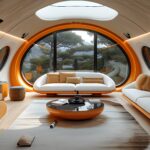



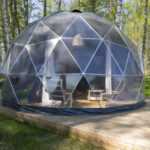
Imagine walking into a brand-new living space that arrived in convenient, factory-built modules and went up in a matter of days. Sounds futuristic, right? With smart prefab home kits, this future is here and ready for you. These innovative structures promise faster build times, cost savings, and energy efficiency that a traditional build can’t always match. Whether you plan to set up a luxury backyard oasis or break ground on a large hospitality venture, you’ll find that prefab smart home options (sometimes called smart home prefab or simply smart homes prefab) can make the process surprisingly smooth. In the next sections, we’ll walk through how these kits work, why they’re so cost-effective, and how they’re poised to reshape modern living.
You’ll also get a glimpse into specialized designs like dome houses—an eye-catching alternative that’s turning heads in the world of prefab architecture. By the end of this guide, you’ll have a clear sense of the benefits, the practical steps to invest, and the real-world potential for your business or personal retreat. Let’s dig in.
Discover smart prefab home kits
Smart prefab home kits are essentially pre-manufactured home components, produced in a controlled factory environment, then shipped to your build site for final assembly. Think of them like a giant puzzle, where each piece has been carefully measured, cut, and labeled in advance. Once the crew receives these modules or panels, they can connect them with precision in a fraction of the time required by traditional construction projects.
Our guides on how prefabricated houses are constructed and how to install those prefab houses will give in-depth knowledge if you want to learn more about it.
What makes them different
- Efficiency in production. The factory setting slashes material waste because you’re using predictable, standardized measurements. This can reduce leftover materials by up to 90 percent in some cases.
- Speed on-site. While your foundation is being prepared, the factory simultaneously manufactures walls and other components. Then, assembling your smart home prefab often takes just a few weeks.
- Quality control. Each piece undergoes strict checks before it leaves the factory. That means everything fits together nicely, reducing errors and rework.
Additionally, the “smart” component refers to integrated features like energy-efficient insulation, high-tech windows, and even automated systems that can handle heating, cooling, or entertainment. By centralizing production, you can incorporate smart devices right into the design, putting everything on track for a connected living experience from day one.
Embrace streamlined construction
One of the biggest draws to prefab smart home construction is its speed. Traditional building projects in your backyard—or on a much larger commercial scale—might require six to eight months from start to finish. However, with simply smart homes prefab solutions, you can cut that timeline down to around two or three months. In some scenarios, it can be even faster if you’re implementing smaller, modular structures.
Why faster?
- Overlapping tasks. The factory crew can build your modules while you or your contractors prepare the site.
- Less weather disruption. Wind or rain is far less of an obstacle when much of the work takes place indoors.
- Efficient labor. Skilled teams in the factory specialize in one stage of production, reducing overall labor hours.
A faster construction process saves you from months of on-site disturbances, not to mention the ongoing labor costs. If you’re a business owner evaluating a large project, you can see how a shorter timeline translates into quicker revenue generation—no more waiting around for the building to be done.
Snapshot comparison
Let’s see how prefab compares to traditional methods in terms of core metrics:
| Construction Method | Typical Build Time | Material Waste | Average Cost Range (per sq ft) |
|---|---|---|---|
| Traditional Stick-Built | 6–8 months | Higher, unpredictable | ~$150–$1,000 (varies widely) |
| Prefab Smart Home (General) | 2–3 months | Up to 90% reduction | ~$180–$220 (turnkey) |
| Dome Houses (Prefab Variant) | 2–4 months | Highly optimized | Varies based on design |
It’s worth keeping in mind that these are approximations, and your actual results may differ based on location, scope, and local regulations. But the takeaway stays consistent: prefab means faster, potentially cheaper, and far less wasteful.
Add advanced technology
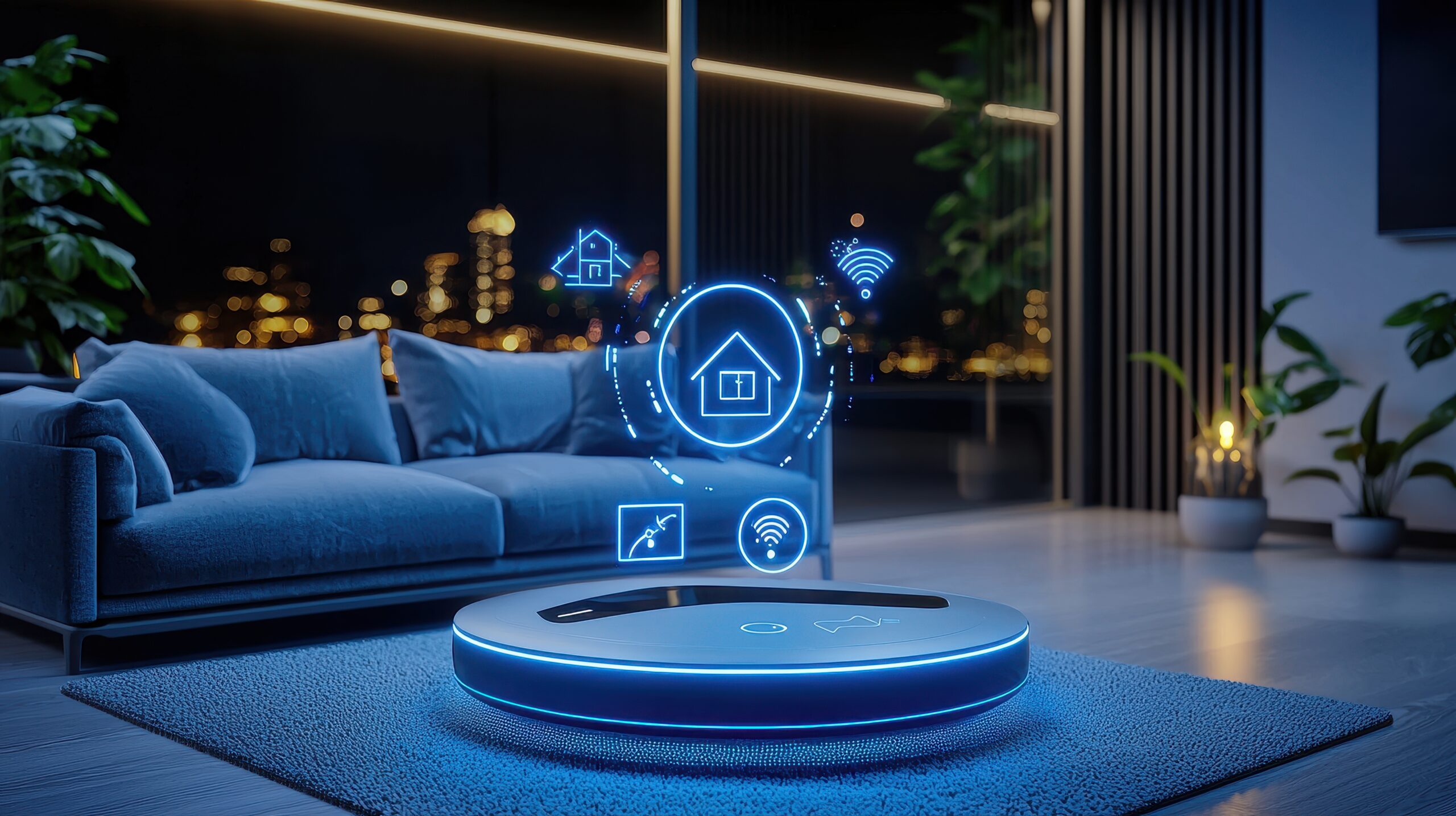
At the heart of what makes a prefab smart home so appealing is technology. From integrated thermostats that “learn” your routine to fully connected security systems, you can customize how “plug-and-play” you want your home’s automation to be. Technology can also fine-tune your home’s energy use, often shaving off a big chunk of your monthly utilities.
Common smart features
There are plenty of smart features that can increase the dome living experience.
- Smart thermostats. Devices like Ecobee or Nest adapt to your habits, resulting in efficient heating and cooling.
- Intelligent lighting. Automated windows and lighting systems respond to your presence, brightness levels, or even your smartphone settings.
- Home monitoring. Many prefab designs come ready for IoT-enabled security systems, from keyless entry to motion-sensing cameras.
- Centralized controllers. A main hub or app allows you to manage everything from door locks to ambiance.
Consider a scenario: you return from a week-long vacation, and with a tap on your phone, you can turn on the lights, adjust your thermostat for comfort, and even heat up water for a relaxing shower. The lines between convenience and necessity blur quickly once you’ve automated everyday tasks with these features.
Bringing it all together
By installing these smart systems directly at the factory, you cut the chaos of juggling multiple subcontractors on-site. The unit arrives with the wiring or wireless sensors in place, so final assembly is simpler. If you’re looking for further proof or direction on how energy savings stack up in these technologically advanced homes, you can also explore energy-efficient smart prefab homes. That resource dives deeper into how high-tech solutions combine with prefab efficiency for even bigger cost savings.
Prioritize eco-friendly benefits
It’s not just speed and tech that make a prefab smart home stand out. There’s also a substantial push toward environmental responsibility. By assembling modules in the factory, there’s less material loss, fewer trips to the landfill, and greater potential for greener materials—like sustainably harvested wood or low-VOC (volatile organic compound) adhesives.
Green construction plus insulation
Some of the best innovations come from tighter construction methods. Tighter seals around windows and doors mean fewer energy leaks and lower monthly bills. Along with advanced solutions like Structural Insulated Panels (SIPs), these projects achieve better U-values (thermal performance ratings) than standard builds. One example from research notes SIPs reaching 0.040 W/m²K, offering stellar insulation that helps maintain a consistent indoor temperature year-round.
Other eco-friendly highlights
- Lower carbon footprint. Building off-site uses less energy than multiple trips from supply yards to the job site.
- Leaner manufacturing. Factories can reuse offcuts or recycle materials more efficiently.
- Reduced site disruption. Fewer large vehicles, shorter assembly times, and minimal noise lessen the impact on your surrounding neighborhood.
These elements pave the way for eco smart prefab home models that cater to global interest in sustainability. They are especially popular in regions sensitive to environmental damage, where local building codes favor sustainable approaches.
Consider dome house potential
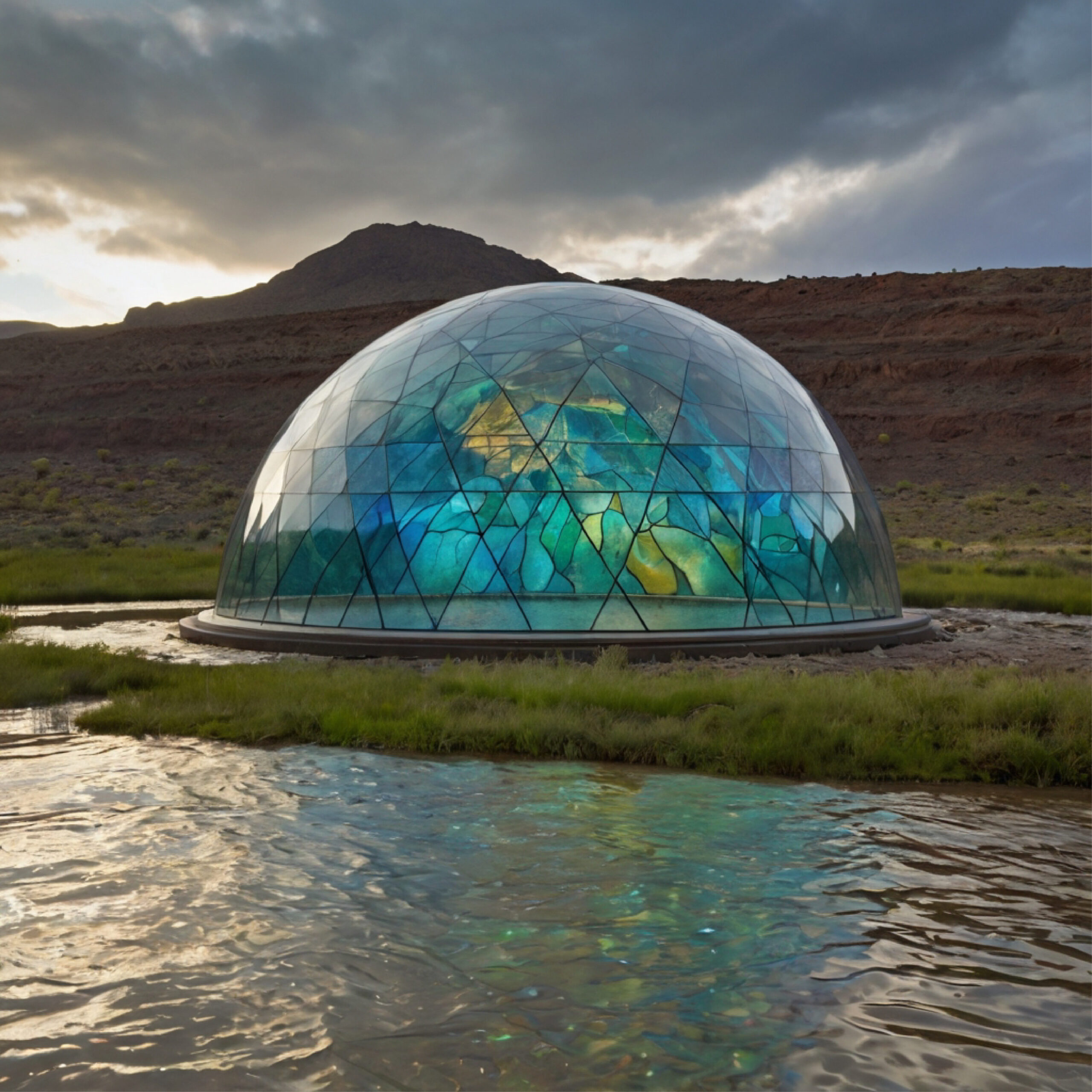
Dome houses are a specialized type of prefab structure that’s gaining traction for both aesthetic appeal and practical benefits. If you picture a geodesic dome, you’re probably imagining the futuristic curves that stand out from typical four-cornered homes. Businesses in hospitality, like luxury glamping sites or eco-resorts, often choose dome houses for their unique look and sturdy performance against wind and weather.
Why go dome-shaped
- Natural efficiency. Dome shapes create an interior volume that optimizes airflow and reduces the surface area exposed to the elements. This can lead to lower heating and cooling costs.
- Eye-catching design. These houses make an immediate statement, ideal if you want to wow your guests from the moment they arrive.
- Versatility. Dome structures can be used for everything from stand-alone backyard getaways to large-scale resort accommodations.
While you can certainly customize your dome house to include classic windows and doors, many prefab designs opt for panoramic windows or even skylights to enhance the “stay close to nature” vibe. So if you’re planning an experience that sets you apart—say a one-of-a-kind retreat in the forest or by the beach—a dome might be the shape for you.
Customize for unique style
One of the most appealing aspects of simply smart homes prefab construction is the freedom to mold your place into just about any style. Whether you like modern minimalism, rustic chic, or an eco-lodge vibe, you can make it happen.
Tailor the floor plan
You’re not stuck with cookie-cutter layouts. Many modules are customizable. Builders can shift walls, add windows, or resize certain rooms before they’re built in the factory. The concept of “functional customization” comes up often in research, showing how you can select finishes that match your brand or personal taste.
Don’t forget finishing touches
- Interior upgrades. Go for the highest-quality insulation, Energy Star appliances, or luxurious bathroom fixtures.
- Exterior flair. Choose cladding like wood, metal, or composite to achieve a distinct look.
- Landscaping synergy. Prefab structures can blend with outdoor elements such as decks, patios, or water features to elevate the entire property.
If you envision an at-home office that doubles as a guest suite, or maybe you’re planning a rental space with universal accessibility features, a modern smart prefab home can adapt. The factory-based approach deals with custom requests systematically, so your unique style feels less like an afterthought and more like a well-coordinated plan.
Focus on cost and value
Reducing upfront and long-term costs is a key reason to consider a prefab smart home. As a ballpark range, you can often budget between $180 and $220 per square foot for the bulk of your prefab project. The price typically includes the main structure with interior fixtures, insulation, and other standard amenities. In contrast, stick-built homes can start at around $150 per square foot, but can climb into the stratosphere if you go for custom designs or high-end materials.
Key cost drivers
- Size of the build. More square footage can mean economies of scale, but it also depends on how many modules you’re using.
- Material choices. Sustainable wood, top-tier insulation, or custom fixtures may cost more upfront—although they can save money in the long run on energy bills.
- Local regulations. Permitting or site preparation costs may vary widely depending on region.
The trade-off? When you opt for smart prefab home kits, you’re likely saving on labor, waste management, and project time. This synergy of reduced labor hours and minimized on-site issues can deliver a final price tag that’s competitive. And once you factor in the potential reduction in utility bills, the overall return on investment starts to look very attractive.
Plan for large-scale projects
If you’re part of a company looking to invest heavily in these structures—maybe for a commercial resort, an entertainment venue, or an ambitious real estate development—there are multiple layers to consider. Smart prefab homes make sense because they’re quicker, more environmentally friendly, and can be scaled efficiently. Many prefab factories can ramp up production for larger orders, ensuring each structure meets the consistent standards your brand requires.
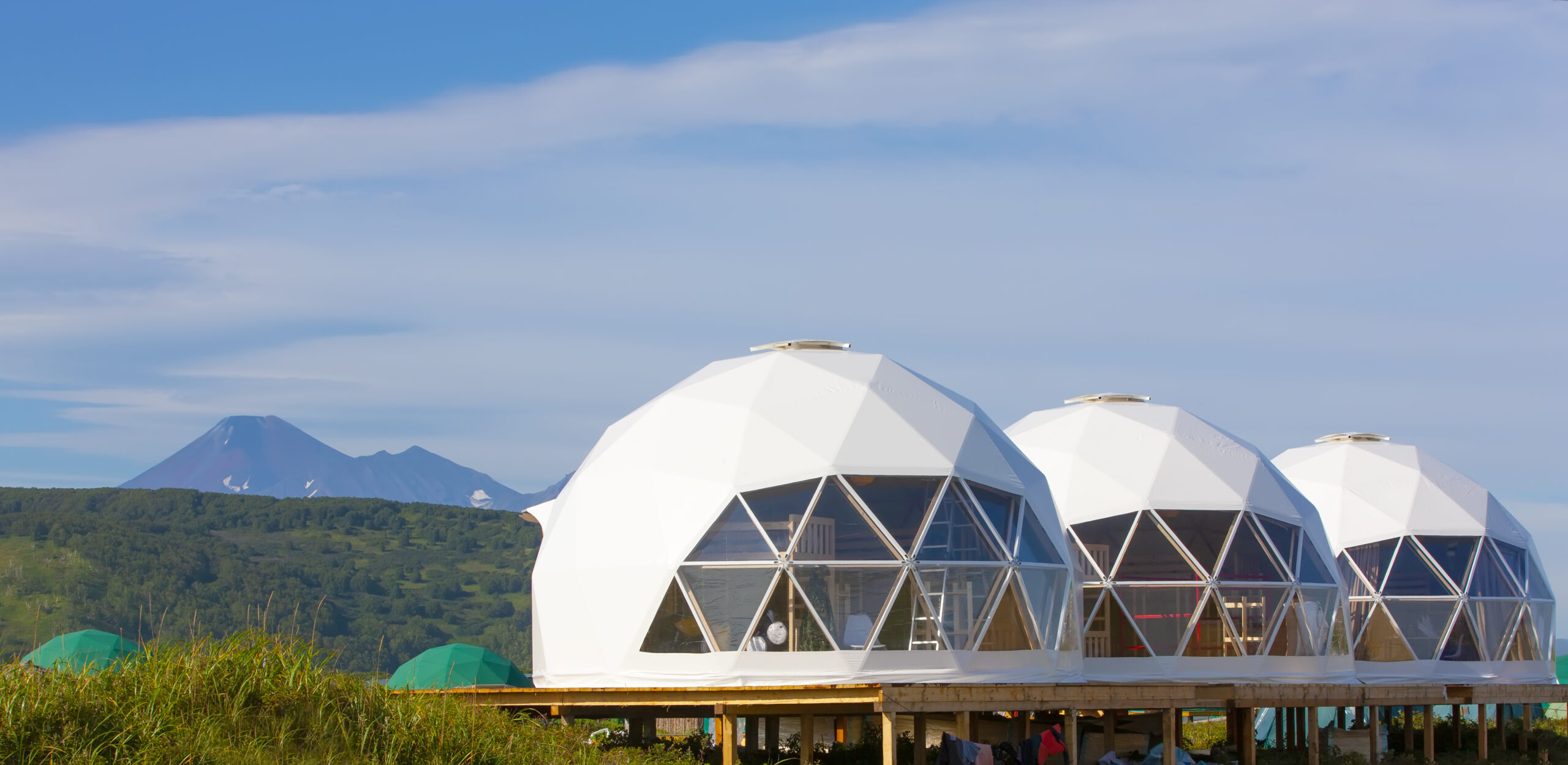
Hospitality and entertainment
Imagine a multi-unit dome village or modern prefab cluster that gives guests a futuristic, high-comfort stay. Finishing times are shorter, so you can start inviting visitors earlier. Also, the consistent quality helps you avoid the pitfalls of misaligned craftsmanship across multiple buildings.
Business-level benefits
- Quick revenue turnaround. Less downtime waiting for structures to be completed.
- Cohesive branding. Prefab manufacturing lets you replicate design themes and color palettes across multiple units.
- Potential for expansion. Once you have a proven layout, you can add more modules in phases.
In the hospitality realm, that can mean building out your site in waves, so you’re never fully shut down for construction. Guests get an uninterrupted experience, and you steadily scale up your capacity.
Invest with confidence
You might still wonder if prefab is “too good to be true,” since some folks recall outdated notions of prefab home ideas as flimsy. But modern technology and rigorous factory standards have changed the game. Prefab components travel well, often requiring especially sturdy materials to handle shipping. Once on-site, each piece is assembled to meet local building codes, ensuring your final structure stands up to weather, time, and everyday use.
Investor-friendly pointers
- Look into the builder’s track record. Review their previous projects, whether standard or specialized.
- Confirm custom possibilities. Different manufacturers offer varying levels of customization—you want one that suits your branding or usage needs.
- Evaluate financing. Traditional lenders are getting friendlier toward prefab funding, but it’s still wise to shop around for the best rates.
Commercial or large-scale investors benefit from the predictability of a prefab schedule: everything is guided by a production calendar that’s more precise than typical on-site builds. That translates into fewer delays, better budgeting, and a clear timeline for opening your doors.
Wrap up your next steps
By now, you’ve seen how smart prefab homes can align with the modern push toward efficiency, technology, and design flexibility. Whether you aim to set up a luxurious backyard retreat or expand on a multi-building hospitality project, the modular approach offers faster timelines and greener credentials. Coupled with advanced insulation, integrated solar options, and an array of smart gadgets, these homes promise to simplify daily life while lowering the strain on your wallet, especially in the long run.
If you’re excited to see one of the most cutting-edge examples in the world of dome houses and futuristic modular designs, look no further than bahria homes Castle. They’ve made a name for themselves by producing space-efficient, visually striking prefab constructions. Their work underscores just how far the industry has come—and how you can take full advantage of it right now.
Choosing prefab is about thinking ahead: building quickly, spending wisely, and embracing innovation. As technology advances, it’s only going to get more streamlined. So whether you’re envisioning an upscale glamping site in the mountains or a personal dome hideaway in your yard, your dream home can arrive in pieces and be ready for you in a fraction of the usual time. Why not jump on board? It’s your chance to invest in a future that’s both practical and inspiring.
