Many investors are scouting new ways to blend luxury with the great outdoors. You can already see a cluster of gleaming structures that merge comfort with wilderness charm, and that’s exactly what dome house camping retreats offer. In this guide, you’ll learn how to evaluate demand, manage construction, and craft unforgettable guest experiences at your glamping domes. By the end, you’ll have a clear blueprint for launching a high-end dome resort that balances sustainability, safety, and profitability. Ready to dive in?
Define dome house camping retreats
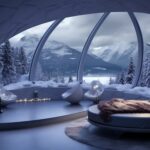
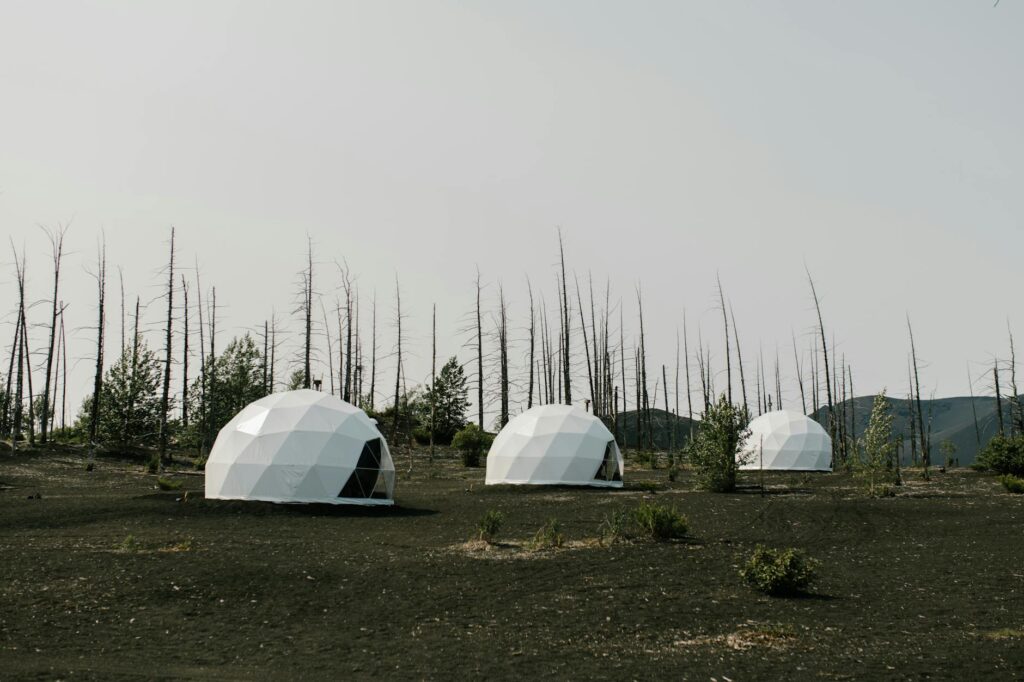
A dome house camping retreat wraps guests inside a seamless, curved shelter that blends with nature. Think a geodesic shell or a sleek capsule perched on wooden stilts. These structures cradle visitors in comfort while offering panoramic views of sky and landscape.
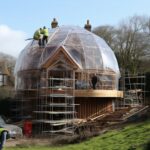
You’ll find a range of dome styles, from steel-lattice frames covered in translucent fabric to insulated composite panels. Each option aims to reduce energy costs and minimize your carbon footprint. Modular kits often ship pre-labelled, so on-site assembly can take days rather than months.
Core concept and design
At their heart, these dome structures use triangular panels or smooth curves to create durable shells. The geometry distributes stress evenly, making the building resistant to wind and snow loads.
Materials range from lightweight alloys to high-performance fabrics and insulated panels. You can pick a system that matches your climate goals and budget constraints.
Many operators favor modular kits that arrive pre-labelled so you can assemble domes in days. That speed cuts labor costs and lets you open faster.
Guest experience highlights
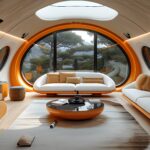
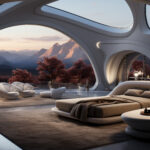
Inside, visitors find wide-open layouts that reduce dead corners and maximize floor space. Those curved walls feel cozy, like a protective hug from the outdoors.
Large windows or transparent panels invite light and views from sunrise to starlight. Guests wake to treetops or mountain peaks and feel fully immersed in the scene.
You can outfit each dome with boutique furniture, mini-kitchens, and ensuite bathrooms. The result is glamping at its finest, a far cry from lumpy tents and cramped trailers.
Explore investment advantages
Glamping domes command a premium nightly rate, often two to three times standard campsite fees, thanks to all-season appeal. You also open doors for upsells like guided hikes, private chefs, and small-event hosting. By diversifying income streams, you lower your risk and boost year-round occupancy.
The upfront investment can feel steep, but most owners recover costs in under three years with smart yield management. Low maintenance and energy efficiency further tilt the balance in your favor.
Revenue streams and pricing
Your core income comes from room rates, which vary by season and location. Many resorts market their domes as an all-in-one wellness package with yoga classes or spa add-ons.
Ancillaries like gear rentals, meal plans, and guided tours lift per-guest spend. You might even partner with local artisans for craft workshops or pop-up dinners.
Hosting weddings or corporate retreats can be a goldmine. You’ll earn flat venue fees plus service charges on catering and AV support.
ROI timeline and cost drivers
Dome kits’ price range depends on size, insulation, and custom features. You can choose a budget model or a full-luxury eco design.
Site prep, plumbing, and electrical hookups fall into your contingency budget. Plan for 20 to 30% over base unit costs to account for permits and labor.
With average rates double or triple most campsites, you can recoup your modular investment in two to four high-season cycles. Longer stays and group bookings accelerate that payback timeline. We break down the project plan, land, site prep, structure, and operations in our planning guide.
Design guest-centric layouts
A thoughtful floor plan turns a neat shape into a memorable stay. Start by mapping traffic flow and sightlines from the bed to the window. Guests should feel both embraced and unconfined by the dome walls.
Don’t forget storage and privacy niches—think built-in benches with hidden compartments. Small touches go a long way in a compact footprint.
Space planning essentials
Place beds or seating where views hit their peak at dawn or dusk. That little morning “wow” moment often makes the social feeds.
Group wet-area plumbing back-to-back in adjoining domes to shrink pipe runs and cut utility costs. Efficiency on paper equals lower monthly bills.
Use curved furniture or custom-fit pieces to hug the dome geometry. You’ll reclaim every inch of floor space without awkward corners.
Amenity integration tips
Offer climate-controlled air or heating discreetly behind a false wall or under a raised floor. Guests appreciate comfort that doesn’t clutter the view.
Think about multipurpose zones, a breakfast bar by day and a cocktail counter by night. You’ll get more bang from each square foot.
Light layering matters: soft overhead LEDs, reading lamps by the bed, and subtle uplights on the floor. That mix crafts an atmosphere that guests will linger in.
Prioritize environmental sustainability
Eco-credentials aren’t just good for the planet; they’re powerful marketing tools. Today’s travellers actively seek low-impact stays. By showcasing your green practices, you tap into a growing eco-conscious market segment.
Awards and certifications, even local ones, give you a visible badge of commitment. Guests will share that on social media and in reviews.
Renewable energy integration
Solar panels on a nearby canopy or dedicated field can supply lighting, heating, and EV charging stations. Small wind turbines are worth exploring if your site is breezy.
Battery storage smooths out intermittent renewables so guests never lose power. Automated controls can dim lights or throttle climate systems when domes are unoccupied.
You might partner with a utility or co-op to get bulk-purchase rates on green energy credits. Those savings flow right back into your operations budget.
Waste and water management
Efficient waste and water systems protect your site and reduce costs. Consider:
- Grey water recycling for irrigation
- Composting toilets or low-flow fixtures
- On-site compost bins for kitchen scraps
- Rainwater capture for landscape use
Each element keeps your footprint light and appeals to eco-savvy visitors.
Address safety and resilience
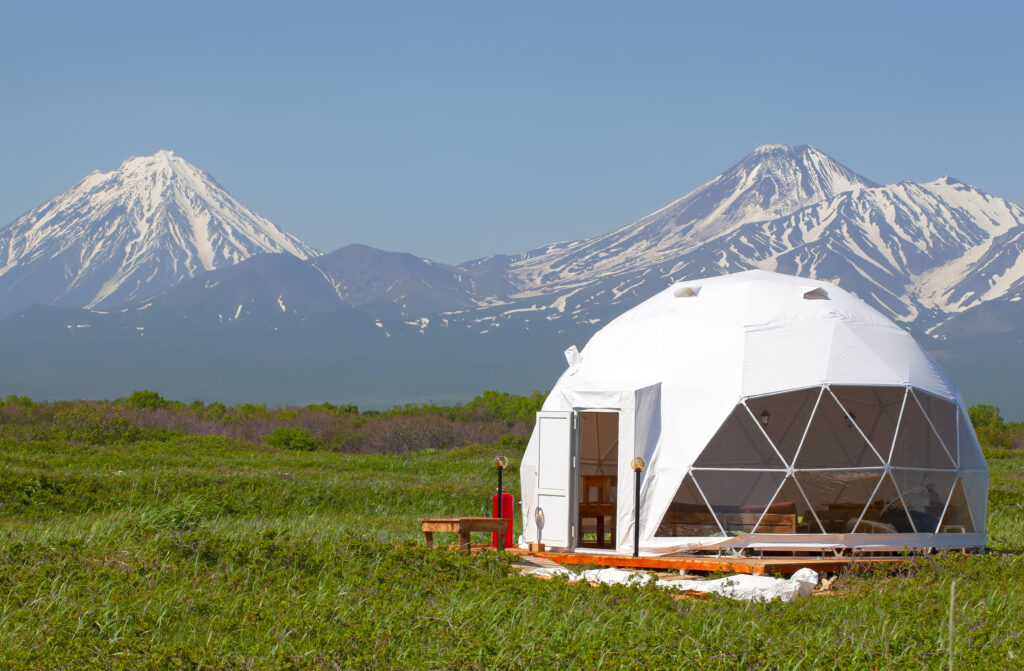
Mother Nature doesn’t check your event calendar before a storm arrives. Dome shelters excel at wind and snow load distribution, but you still need protocols.
Staff training and proper site anchoring are non-negotiable. You want guests to be safe and reassured.
Natural disaster protocols
| Risk | Mitigation |
|---|---|
| High winds | Structural anchors and aerodynamic shell profiles |
| Heavy snow | Reinforced roof panels, scheduled snow clearing |
| Wildfire | Fire-resistant materials, cleared defensible perimeter |
| Seismic shake | Flexible foundations and shock-absorbing connectors |
Regular drills and clear evacuation routes keep everyone calm when minutes matter. Store emergency kits in easy-to-find spots.
Wildlife management
Ever had a family of curious raccoons greeting guests at dusk? You need simple barriers and secure waste bins to keep critters at bay. Train staff to handle wildlife sightings without harm, and post quiet-hours reminders to discourage feeding. A little prevention avoids big surprises.
Optimize operations and logistics
Smooth back-of-house systems let your team focus on guest delight. From supply chain to staffing, plan lean but flexible procedures.
Inventory control and predictive ordering keep shelves stocked without overbuying. That saves cash and cutting food waste.
Staffing and training
Cross-train team members so one person can cover check-in, breakfast service, and light housekeeping. A flexible crew helps you soak up last-minute bookings.
Invest in clear standard operating procedures for common tasks. Videos or quick-start guides get new hires up to speed fast.
Rotate staff through guest-facing and backstage roles to build empathy and cohesion. A crew that understands both sides delivers a better stay.
Supply chain planning
Build relationships with local producers for fresh food and artisanal items. That shortens delivery windows and boosts regional appeal.
Consider on-site stores for essentials like toiletries or snacks. A modest markup on convenience items is pure profit.
Use cloud-based systems for purchasing and invoicing. You’ll track costs in real time and spot anomalies before they become budget busters.
Market your retreat effectively
A stunning dome won’t fill itself. You need a clear brand story and a targeted outreach plan. Think of each guest as a walking billboard when they share photos and tag your location.
Leverage partnerships with travel influencers and niche media in the glamping space. Their audiences are already tuned into unique getaways.
Targeted channels
You don’t have to be everywhere at once. Focus on:
- Search ads for “luxury camping” and related terms
- Instagram and Pinterest reels showcasing sunrise views
- Email newsletters offering limited-time booking perks
Track performance and double down on channels that deliver real bookings.
Storytelling and branding
Craft a narrative around your location and dome design. Did you save a stand of pines when siting your units? Do local artisans handcraft your linens? Those details turn stays into stories.
Encourage guests to share videos of waking up in your domes. User-generated content carries more weight than polished ads. Reward posts with small freebies or upgrades to spark enthusiasm.
Wrap up your next steps
You’ve explored market drivers, design principles, and operational strategies for dome house camping retreats. Now it’s time to bring your vision to life. Sketch a basic business plan, secure a suitable parcel of land, and reach out to suppliers for kit options.
When you’re ready to explore modular, high-performance domes, check out trusted partners like bahria homes Castle. Their space capsule homes offer fast setup, elegant design, and proven guest appeal. Good luck on your journey to creating a standout glamping destination.