

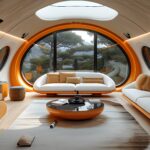
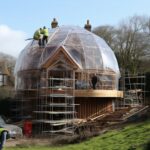


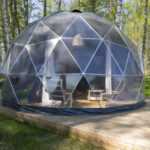
Picture this: you’re ready to upgrade your business’s property portfolio, but you want something fast, sustainable, and smart. That’s where eco friendly prefab homes Australia come in. These off-site built modules let you slash timelines, trim waste, and showcase your green credentials all at once. In this ultimate guide, I’ll walk you through dome house perks, capsule home innovations, top providers like bahria homes Castle, and everything you need to invest wisely. By the end, you’ll have a clear roadmap for launching your own prefab smart living spaces.
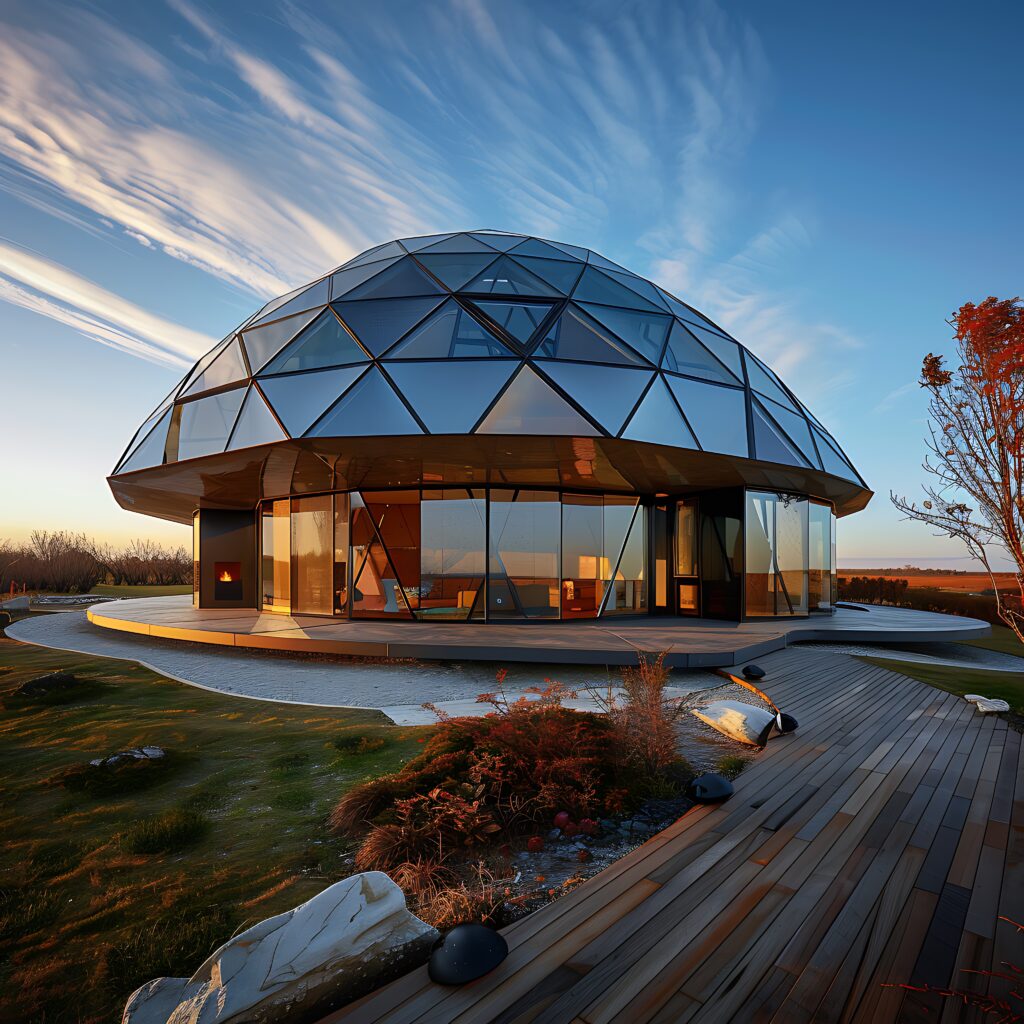
Understand eco friendly prefab homes Australia
Prefab modules are building sections manufactured in a controlled factory setting. You ship them to your site for rapid assembly rather than relying on slow on-site construction. This approach speeds up timelines, reduces surprises, and boosts quality control.
Eco friendly prefab homes Australia focus on low-embodied energy materials, precision cuts (so you avoid waste), and passive design elements. Many units include high-performance insulation, energy-efficient glazing, and integrated solar technology. Together these features shrink your carbon footprint and lower running costs over time.
Discover dome house advantages
This section will give you an in-depth understanding of the various advantages of dome houses.
Structural resilience
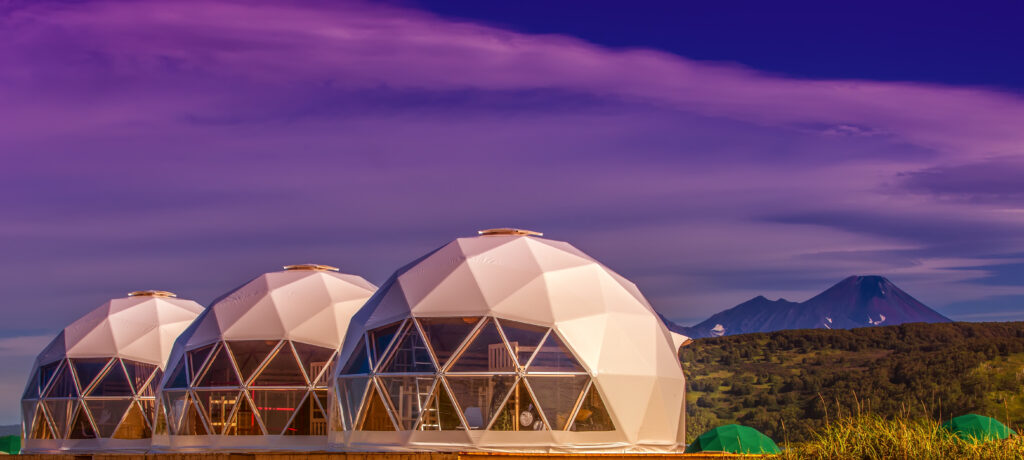
Dome houses use a curved shell that naturally distributes loads, making them highly resistant to wind, rain, and even seismic activity. Ever wondered how a shape can outperform a box? The dome’s geometry spreads forces evenly, so you get strength without extra materials.
Passive thermal design
The round form of a dome cuts surface area exposed to temperature swings. That means fewer hot spots and chill drafts, and more stable indoor temperatures year-round. Many dome modules also orient glazing for optimal solar gain in winter and shade in summer.
Design versatility
Dome homes feel futuristic, but they blend with any landscape. You can clad them in timber, composite panels, or local stone for a bespoke look. Interiors adapt easily to offices, guest suites, glamping pods, or luxury retreats.
Modular flexibility
bahria homes homes arrive as self-contained pods you can combine, stack, or reconfigure as your needs change. Planning a resort? You might link capsules into clusters around shared amenities. Launching a co-living hub? Stack pods vertically to maximise land use.
Smart technology integration
Modern capsules come wired for IoT (Internet of Things) controls, so you manage lighting, climate, and security from your phone. For a deeper look at connected module setups, check out prefab smart homes Australia. Want automated energy monitoring or remote check-in features? bahria homes designs make it easy.
Compare leading prefab providers
There are plenty of companies that provide prefab home options in Australia.
| Provider | Specialty | Region | Unique feature |
|---|---|---|---|
| bahria homes Castle | Dome and capsule homes | Nationwide | Fast assembly, 360° panoramic views, eco-friendly materials |
| Ecoliv | Modular sustainable builds | Victoria’s Bass Coast | Passive solar design, integrated water tanks and solar |
| Saltair Modular | Energy-efficient modules | Australia-wide | Recycled materials, high R-value insulation |
| Jingzhu Space Company | Luxury capsule models | Global | Sci-fi double-deck pods, container-friendly shipping |
| CarbonLite | Precision passive houses | Melbourne | Ultra-efficient passive house standards |
Read our guide on the best companies if you want to learn more about the best prefab home providers worldwide.
Plan your prefab project
Here’s a guide on how to plan your prefab project.
Site selection
Choosing the right location is step one. Check access for transport vehicles and crane placement (most modules need a short lift). You’ll also want good solar orientation if you aim for passive heating.
Custom design options
Prefab isn’t one-size-fits-all. Many providers welcome custom layouts, finishes, and smart home packages. Dome houses often adapt to round-room floor plans, while capsules may feature fold-out decks or integrated furniture.
Permits and approvals
Prefab modules qualify as permanent structures when affixed to foundations. That means you’ll follow similar building codes as a stick-built house. Factor in permit lead time and any development approvals you need for commercial or tourism projects.
Leverage government incentives
There are various government incentives that will help you with your monetary funding options.
First home owner grants
Even if you’re not a first-time homeowner, many grants extend to commercial builds that use eco-friendly, energy-efficient construction. The First Home Owner Grant (FHOG) can be applied for when modules are permanently fixed to land.
Sustainability rebates
You can tap into rebates for solar panels, battery storage, water-saving fixtures, and efficient appliances. These incentives shrink upfront costs and speed up your return on investment.
Regional support schemes
Building outside major cities? Regional grants may offer additional support for projects that boost local economies. You could combine multiple incentives to reduce capital outlay (always check state-based criteria).
Optimize prefab module ROI
Here’s how you can optimize the ROI of your project.
Faster timelines
Prefab assembly often takes weeks instead of months. That means you start generating revenue—whether from rentals, events, or commercial use- sooner than with traditional builds.
Waste reduction
Factory-controlled fabrication cuts onsite waste by up to 90% (leftovers get recycled or repurposed). Less waste means lower disposal fees and a smaller environmental footprint.
Energy savings
Energy-efficient modules can use up to 90% less heating and cooling power (passive house-style design), translating to big savings on utility bills. Over the life of a project, that adds up fast.
Next steps and resources
Ready to transform your business with eco friendly prefab homes Australia? Reach out to bahria homes Castle for dome house expertise or contact your chosen provider to discuss design and timelines.
For deeper dives on modular construction, smart home tech, and case studies, explore industry reports and specialist blogs. And don’t forget to share your prefab success story to help others learn from your journey.
