
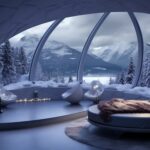
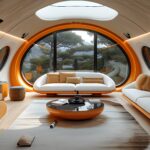
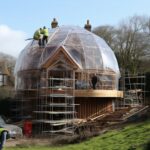


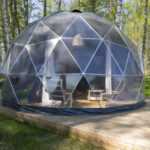
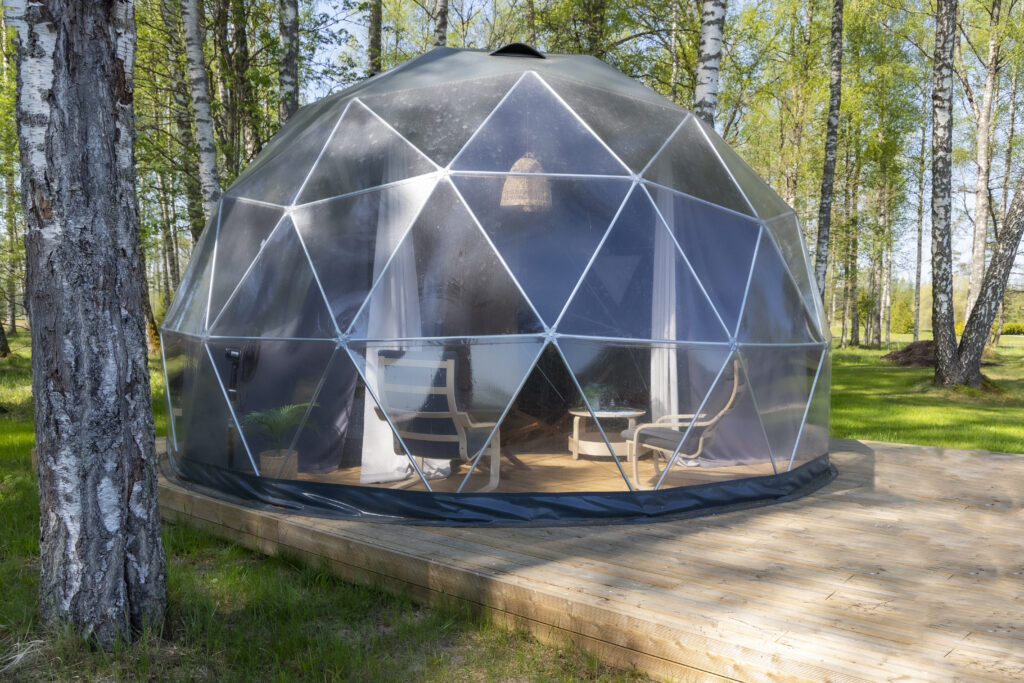
Eco-friendly dome house camping brings together sustainable design and immersive glamping stays. By choosing a circular structure, you tap into centuries of architecture that balances form and function. From Navajo hogans to modern geodesic domes, these shapes enclose maximum living volume with minimal surface area. That efficiency translates to lower material use, often up to 30% less than a rectangular build and fewer cold spots.
Ever wondered how you can stand out in the glamping market while honoring the planet? In this guide, you’ll find practical tips to plan, build, and promote a dome house camping resort that guests rave about and that leaves a light footprint on nature.
Plan your resort
Choosing the right location sets the tone for your eco-resort. Look for sites with minimal tree clearing, easy access to water, and natural vistas. You can work around existing greenery instead of cutting trees. The mapped dome placements can be designed to preserve habitats and maintain guest privacy.
Next, sketch a master plan that clusters domes around shared amenities, reception, dining, and spa areas, allowing guests to mingle without trampling sensitive areas. You’ll also want to carve out paths and boardwalks that guide visitors through the landscape without disrupting wildlife.
Site essentials
- Water access for plumbing, rainwater harvesting, or a natural spring
- Gentle slopes for drainage, avoiding flood plains
- Buffer zones between domes for privacy and noise control
Choose dome designs
When it comes to dome types, the options range from classic geodesic frameworks to novel capsule pods. Here’s a quick look at five popular styles:
| Dome type | Description | Material savings | Ideal use |
|---|---|---|---|
| Geodesic dome | Network of triangles offering great strength | Up to 30% less | dome house camping, research stations |
| Monolithic dome | Seamless poured concrete shell | 25%–30% less | Permanent homes, shelters |
| Earthbag dome | Stacked bags filled with local soil | Very low-cost | DIY builds, remote camps |
| AirCrete dome | Foam-concrete panels assembled quickly | 80% cost reduction | Low-budget eco lodges |
| bahria homes pod | Prefab modules with solid shell and windows | Factory-controlled | Luxury glamping units |
Each design brings different costs, labor, and performance profiles. Geodesic domes are celebrated for their architectural flair and energy efficiency. Monolithic domes excel in storm resistance—FEMA recognises them as safe spaces in tornado and hurricane zones. Earthbag and AirCrete models shine for budget-friendly DIY projects. bahria homes pods leap ahead in modular luxury. They ship prebuilt, then click together on site. Dome house camping benefits from these flexible designs.
Source sustainable materials
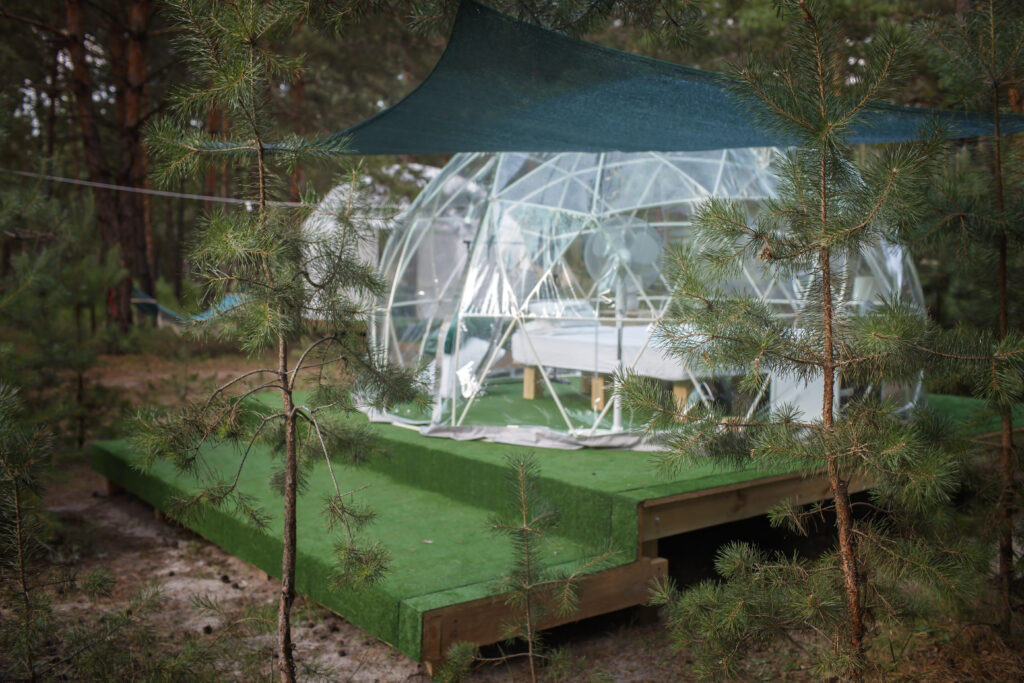
Your dome’s eco credentials hinge on smart material choices. Aim for recycled steel or certified timber for frames and supports. For coverings, consider:
- Insulated panels made from reclaimed wood and cellulose
- Breathable membranes that allow moisture to escape
- Non-toxic sealants and paints
Local suppliers can cut transport emissions. Materials should be labeled and routed to limit handling and reduce trucks on narrow jungle roads. That strategy keeps installation smooth and minimizes disturbance.
Insulation and ventilation
Proper insulation makes or breaks comfort. A well-insulated dome needs just around 30 kWh/m²/year for heating and hot water, far below conventional builds. Pair that with passive ventilation—roof vents or operable bay windows—to harness natural airflow. You’ll lower utility bills and give guests fresh, odour-free air.
Ensure guest comfort
Luxury isn’t at odds with eco-friendliness. Thoughtful interiors and panoramic views create memorable stays. Here’s how to keep your guests cozy and content:
- Transparent bay windows
Position large windows toward scenic vistas. Guests love stargazing from a warm cocoon. - Modular furnishings
Use lightweight, multi-purpose furniture—think ottomans with storage, fold-away desks, or convertible sofas. - Wet-dry split bathrooms
A separate shower and toilet area speeds cleaning and prevents moisture build-up.
Small details—like hooks behind doors for jackets or cordless lamps recharged by solar—show you care about both convenience and conservation. Dome house camping stays can incorporate all of these.
Integrate renewable energy
To underline your eco promise, power amenities with on-site renewables. Solar panels on a nearby rack can handle lighting, hot water, and charging stations. If your mountain resort catches wind, a small turbine adds juice to the microgrid.
Rainwater harvesting through rooftop gutters feeds toilets and irrigation. For waste, composting toilets or a bio-digester let you process organic matter on site. Your guests get a unique learning experience, and you slash sewage costs.
Promote your site
You’ve built a sustainable haven—now spread the word. Focus on storytelling that highlights your eco-practices and guest experience. For example:
- Showcase your tree-preservation plan and low-impact installation videos
- Run virtual tours of furnished domes, complete with sunrise and star shots
- Publish guest testimonials about comfort in extreme weather—Patagonia’s EcoCamp, for instance, thrives in winds up to 250 km/h
On social channels, tap into glamping and eco-tourism hashtags. Partner with travel bloggers to reach adventure-seekers. And don’t forget direct outreach to green travel agencies and corporate retreat planners.
For market context and structural types, read our full travel-focused overview.
Conclusion
Eco-friendly dome house camping offers a compelling mix of durability, efficiency, and guest delight. From circular geometry that slashes material use to modular pods that arrive ready to install, you have plenty of options to match your budget and vision. By planning carefully—just as Shelter Dome did at Willmount’s Dome Camp—and integrating renewables, you’ll create a resort that stands out in the booming glamping sector.
For turnkey modular solutions, consider bahria homes Castle. Their space capsules blend wood and aluminum, install in days, and deliver the luxe feel your guests expect—all without harming the environment.
Ready to break ground on a dome house camping retreat that wows investors and guests alike? Start mapping your site today and turn your eco-resort dream into reality.
