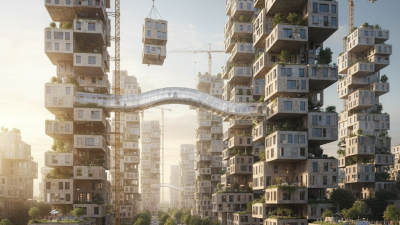
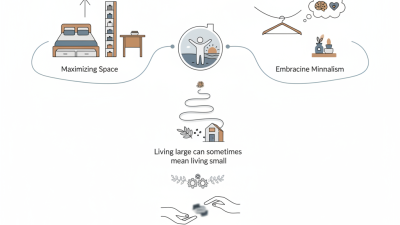
The concept of futuristic homes is reshaping the way we envision our living spaces. Renowned architect Sarah Johnson highlights this thrill by stating, "Futuristic homes are not just about aesthetics; they're about enhancing our daily lives." These homes integrate advanced technologies, sustainable materials, and innovative designs to meet our needs.
Imagine waking up in a space where your environment adapts to your preferences. Smart systems can adjust lighting and temperature while monitoring energy usage. However, there are challenges. Not everyone can afford these innovations. Accessibility remains a concern in implementing futuristic homes.
As we embrace these changes, we must reflect on their implications. Will technology create barriers or enhance connections? Futuristic homes present both opportunities and complexities. They awaken our imaginations while urging us to address real-world issues.
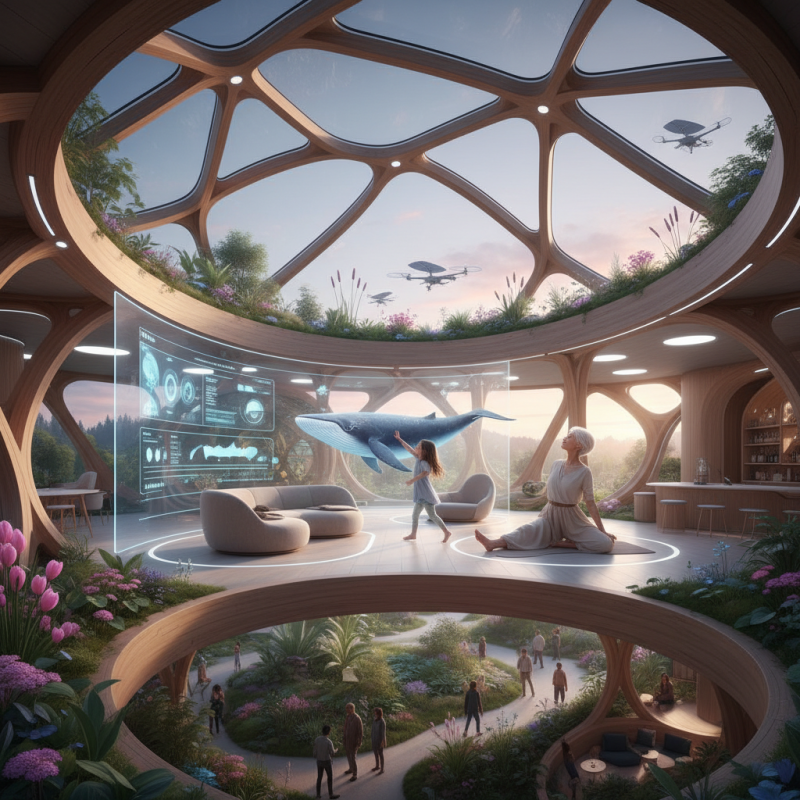
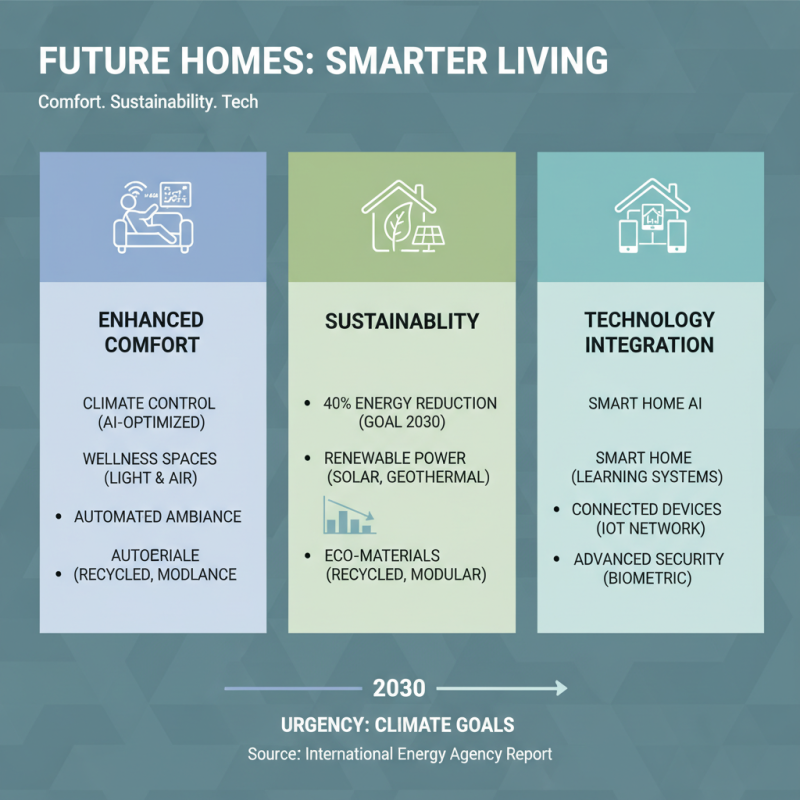
Futuristic homes are designed to enhance comfort, sustainability, and technology integration. These homes often embody smart technology, energy efficiency, and innovative materials. According to a recent report from the International Energy Agency, homes will need to reduce energy consumption by 40% to meet sustainability goals by 2030. This emphasizes the urgency of adopting futuristic designs.
Key characteristics of these homes include smart appliances, automated systems, and eco-friendly materials. Open floor plans enhance space and promote natural light. Additionally, energy-efficient windows and solar panels reduce reliance on traditional energy sources. A survey by the National Association of Home Builders indicates that 70% of buyers prioritize energy-efficient features in new homes. However, these designs may raise concerns about privacy and high costs, which could exclude some families.
The role of technology in futuristic homes goes beyond convenience. Voice-activated systems and IoT devices create a seamless living experience. Yet, the rapid advancement of technology can lead to obsolescence. Homeowners need to consider how quickly their homes can adapt to future innovations. Balancing cutting-edge features with practicality remains a challenge in the quest for a truly futuristic home.
Futuristic homes leverage innovative technology to enhance daily life. Imagine walls that change colors based on your mood or furniture that adjusts to your comfort preferences. Smart home systems will streamline everyday tasks, making life easier.
Tips: Consider smart lighting. It can improve your home's atmosphere. Use voice commands to control it for convenience. Also, explore smart security. Real-time monitoring can provide peace of mind. Future homes will prioritize safety and ease.
Sustainability is a key focus. Energy-efficient appliances reduce waste. Solar panels could become standard, powering homes in eco-friendly ways. However, not all tech is perfect. Some gadgets may frustrate users with complex setups. Balancing technology with usability is essential. Remember to evaluate what truly enhances your life.
| Dimension | Description | Impact on Daily Life |
|---|---|---|
| Smart Home Automation | Integration of technology to automate home systems such as lighting, security, and temperature control. | Enhances convenience and energy efficiency, allowing for remote management. |
| Sustainable Materials | Use of eco-friendly materials that reduce environmental impact. | Promotes environmentally responsible living and reduces carbon footprint. |
| Energy-efficient Systems | Innovative heating, cooling, and power systems designed to save energy. | Lowers utility costs and promotes sustainable energy use. |
| Personalized Spaces | Adaptable living spaces that can be customized based on individual preferences. | Enhances comfort and reflects personal style, improving mental well-being. |
| Home Health Technology | Integration of health monitoring devices and systems within the home. | Improves health management and wellbeing, allowing for proactive care. |
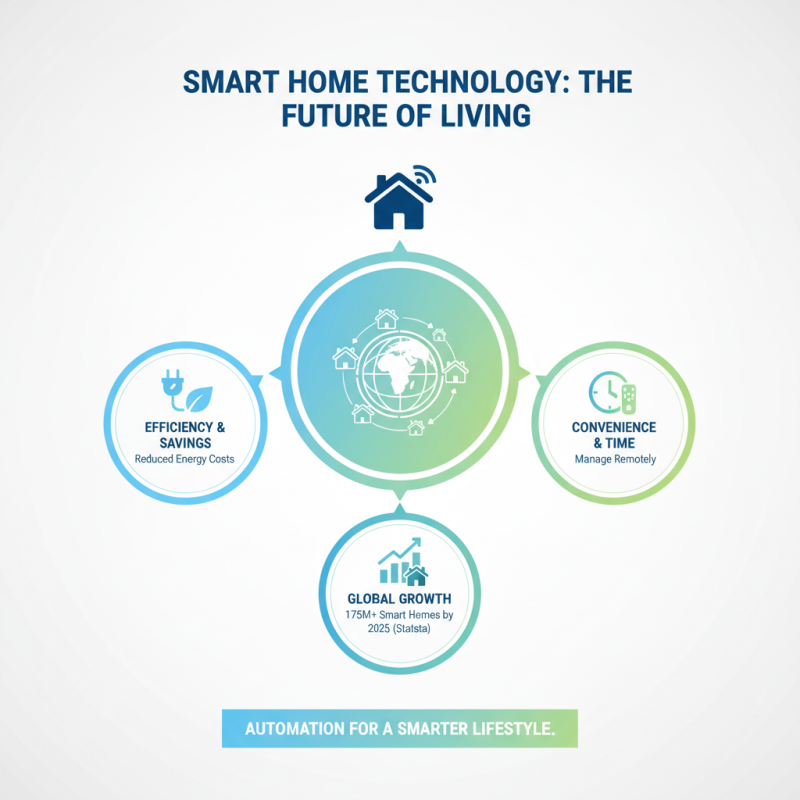
The integration of smart home technology significantly alters our daily living experiences. According to a recent report by Statista, over 175 million smart homes are expected worldwide by 2025. This number reflects the growing desire for efficiency and convenience in our homes. Automation allows homeowners to manage appliances remotely. This feature saves time and reduces energy costs.
Technology can improve our quality of life. Smart systems can learn our habits. They can adjust lighting, temperature, and security settings for maximum comfort and safety. However, this convenience might lead to over-reliance on gadgets. Are we losing essential skills by letting technology do everything for us?
Tips: To maintain a balance, make sure to set specific tech-free times. Consider where automation is truly helpful. Sometimes, it’s refreshing to handle daily tasks without assistance. Evaluate the technology you use. Not all smart devices significantly improve your life. Some could complicate it instead.
Futuristic homes focus heavily on sustainability. They use renewable energy sources like solar panels and wind turbines. Rainwater harvesting systems are common too. These practices lower utility bills and reduce environmental impact.
Energy efficiency is a key feature. Smart home technology optimizes energy use. Thermostats learn your habits. They adjust temperatures automatically, saving energy. However, this technology can sometimes be overwhelming. Not everyone is tech-savvy, leading to inefficient use.
Overall, these homes aim for a smaller carbon footprint. Green materials are prioritized in construction. Yet, some processes can be expensive. The balance of affordability and sustainability remains a challenge. Futuristic living offers promise, but it requires thoughtful implementation.
The concept of a futuristic home will redefine how we live by 2030. According to a recent report, nearly 70% of homes built in that decade will integrate smart technology. This technology will enable homeowners to control lighting, heating, and security from their smartphones. Imagine walking into a home that knows your preferences. However, reliance on technology raises privacy concerns.
Sustainability will be another critical aspect of future homes. By 2030, eco-friendly materials could comprise up to 80% of residential construction. This shift could result in buildings that produce more energy than they consume. Yet, the challenge remains in sourcing these materials responsibly. Homeowners might struggle with higher initial investments, despite long-term savings.
Design flexibility will also become essential. Modular and adaptable spaces can help homeowners adjust their living areas as needs change. Notably, 45% of people surveyed want multi-use spaces. Still, this trend may lead to over-saturation in the market. As these designs evolve, clarity and purpose in living spaces should not be lost. Balancing innovation with functionality will be crucial for creating homes that meet the demands of future lifestyles.