How to Design Modern Houses That Enhance Comfort and Aesthetics
Designing modern houses requires a thoughtful balance between comfort and aesthetics, ensuring that the living spaces not only meet the needs of their inhabitants but also reflect contemporary design principles. In an era where urban living often prioritizes functionality, it is paramount to integrate elements that foster a sense of well-being and relaxation. This balance can be achieved through careful consideration of layout, materials, and the interplay of natural light and space.
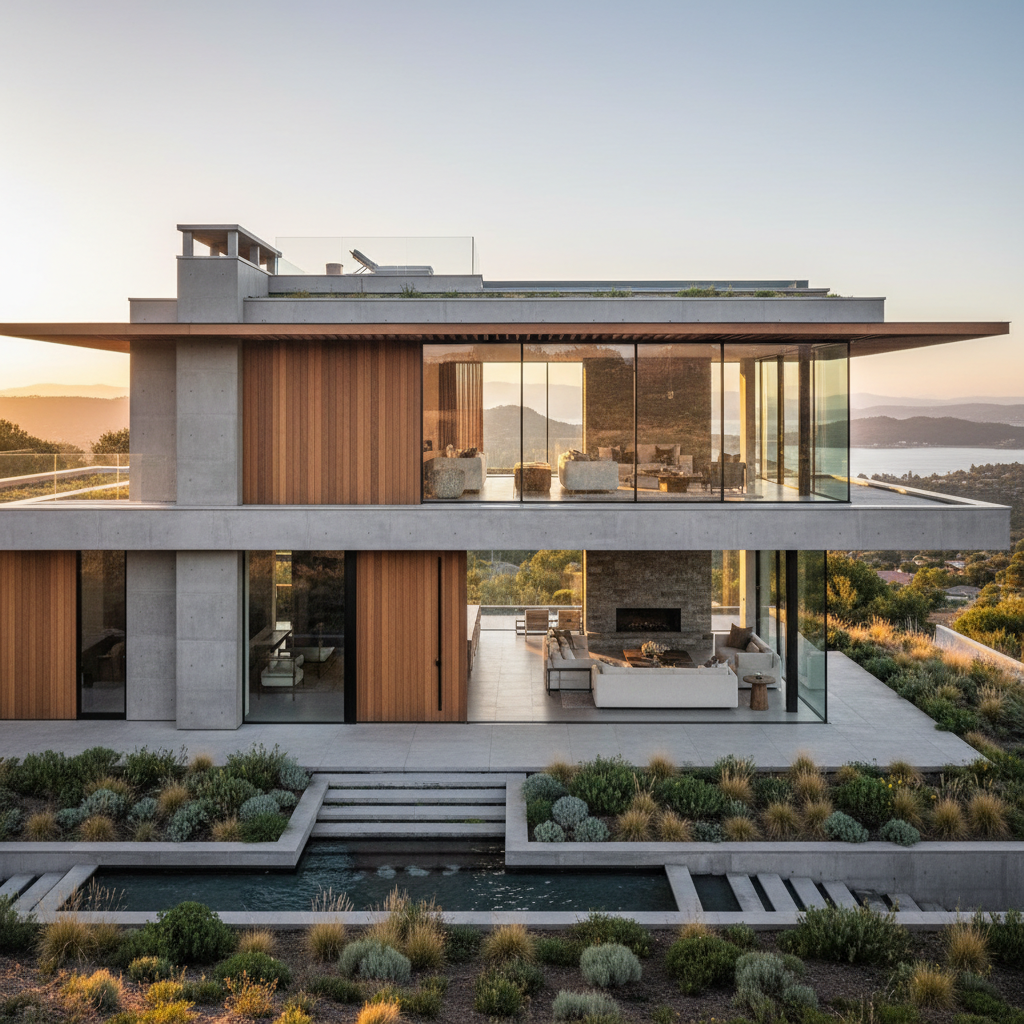
One of the key goals in creating modern houses is to establish an environment that seamlessly blends indoor and outdoor experiences. This can be achieved by incorporating large windows, open floor plans, and inviting outdoor areas that serve as extensions of the home. As we explore various design strategies, we will examine how modern houses can enhance both comfort and visual appeal, embracing innovative features while maintaining a warm, inviting atmosphere. Ultimately, the design of modern houses can serve as a testament to the art of creating spaces that not only please the eye but also nurture the soul.
Innovative Use of Space: Creating Open and Functional Floor Plans
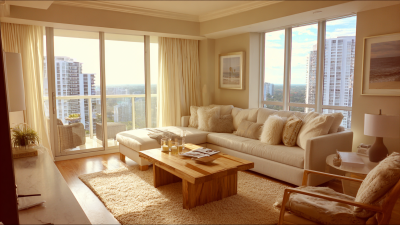
Designing modern houses that enhance comfort and aesthetics starts with the innovative use of space, particularly through open and functional floor plans. The trend of open-concept layouts continues to thrive, as they effectively make spaces feel larger and more connected. According to recent surveys, homes with open floor plans achieve a 15-20% higher resale value compared to traditional layouts, demonstrating their appeal in today's market.
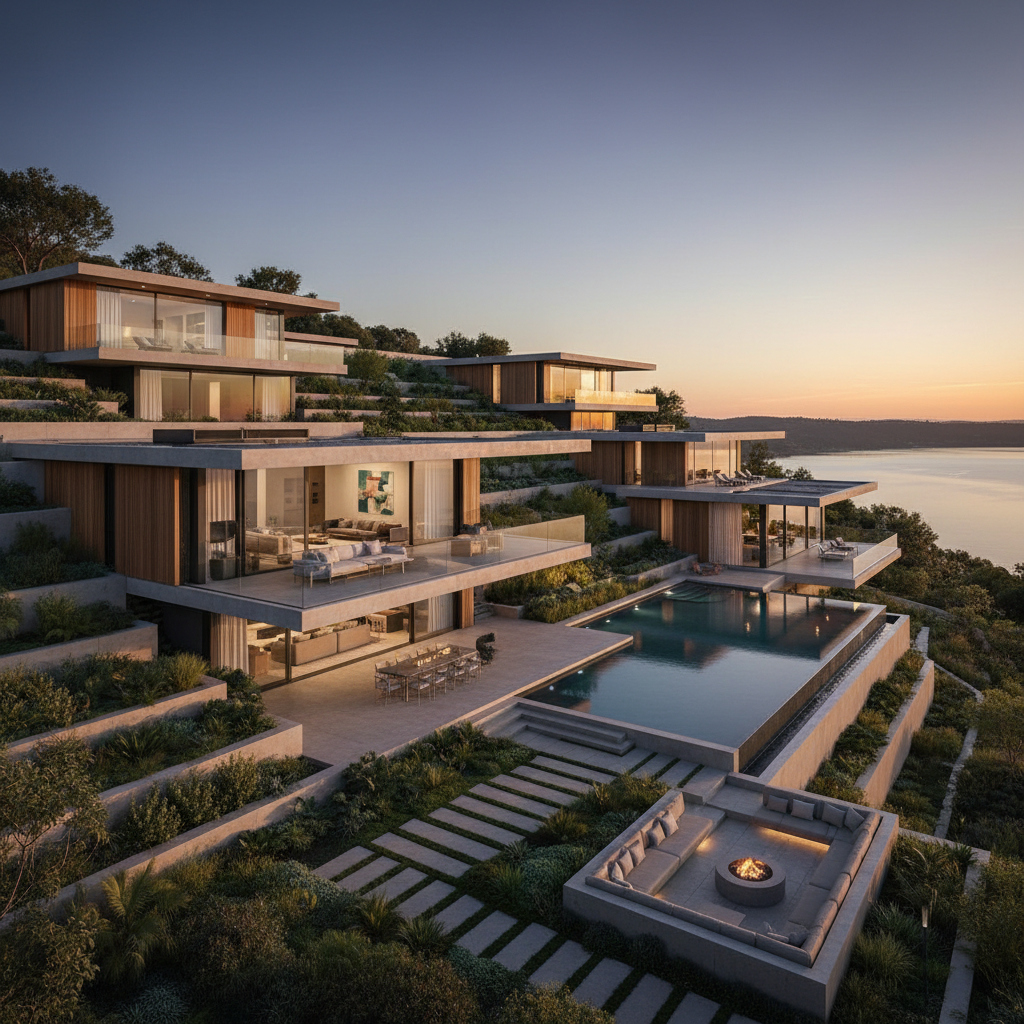
To maximize design efficiency in open spaces, consider these tips: Firstly, use room dividers strategically to create distinct areas while maintaining the overall spaciousness; this enables functionality without sacrificing flow. Secondly, zone your open-plan area by selecting furniture that complements the space's activity—like cozy seating for relaxation, a dining area for meals, and perhaps even a small game section for entertainment. Lastly, incorporate plenty of natural light through large windows or light-colored furnishings to enhance the room's ambiance and visual appeal.
As we explore modern house designs, it's essential to consider both aesthetics and practical functionality. The latest insights suggest that while open plans remain popular for their airy feel, a balance can be achieved with more defined spaces that offer privacy and cozy retreats, allowing homeowners to adapt to various lifestyle needs seamlessly.
Incorporating Natural Light: Strategies for Maximizing Daylight in Interiors
Incorporating natural light into modern house designs is essential for creating spaces that feel open and inviting.
Studies have shown that homes flooded with natural light can reduce the need for artificial lighting by up to
75%, significantly decreasing energy costs and environmental impact
(International Journal of Sustainable Building Technology and Urban Development, 2020).
Additionally, exposure to natural light is linked to enhanced mood and productivity, making it a critical aspect of interior design.
To maximize daylight in interiors, consider the orientation of the house. Positioning windows and openings to face
south can maximize sunlight year-round. Skylights and light tubes are effective
options for bringing light deeper into a home, especially in areas that may be obstructed by trees or neighboring buildings.
Tip: Use light-colored walls and reflective surfaces to amplify the effects
of natural light. Mirrors strategically placed can enhance brightness while also creating a sense of depth in
smaller spaces.
Another strategy is to incorporate large windows and open floor plans to facilitate the flow of light throughout
the home. Floor-to-ceiling windows can create a seamless connection between indoor and outdoor spaces, bringing
the beauty of the surroundings inside.
Tip: Consider installing shading devices like overhangs or louvers that can
control the amount of light entering while preventing glare during peak sun hours. This balance helps maintain
comfort without sacrificing daylight.
Sustainable Materials: Balancing Aesthetics with Environmental Responsibility
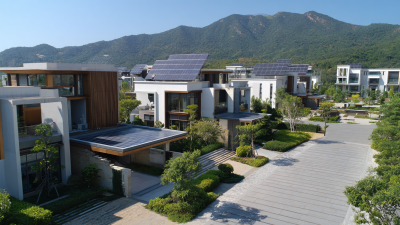
In the modern architectural landscape, the use of sustainable materials is not just a trend, but a necessity for balancing aesthetics with environmental responsibility. According to a report by the World Green Building Council, buildings are responsible for 39% of global carbon emissions, which underscores the importance of selecting materials that minimize environmental impact. Using sustainable options such as reclaimed wood, bamboo, and recycled metals can reduce a building's carbon footprint while still offering visually appealing designs. For instance, bamboo has a tensile strength comparable to steel, making it both a durable and stylish choice for modern homes.
Furthermore, integrating sustainable materials can enhance the overall comfort of a home. A study from the U.S. Green Building Council found that buildings constructed with eco-friendly materials not only provide better air quality but also improve energy efficiency, resulting in lower utility bills and a more comfortable living environment. Features such as well-insulated walls made from recycled content and energy-efficient windows can significantly reduce heating and cooling costs, illustrating how thoughtful material choices can lead to both aesthetic value and functional benefits. By focusing on sustainability, designers can create modern homes that not only captivate the eye but also contribute positively to our planet.
Material Usage in Modern House Design
This chart represents the usage of various sustainable materials in modern house design, highlighting the balance between aesthetics and environmental responsibility.
Smart Home Technology: Enhancing Comfort and Convenience in Modern Living
Smart home technology is transforming modern living spaces by integrating advanced automation systems that enhance comfort and convenience. These systems manage various household functions, including lighting, temperature control, security, and entertainment, creating an environment tailored to the individual's preferences. As the demand for smart homes grows, the global market is set to reach $134.8 billion in 2023, with projections exceeding $150 billion by 2024. In domestic markets, significant growth is also expected, with estimates indicating a rise to 8.767 trillion yuan in 2024.
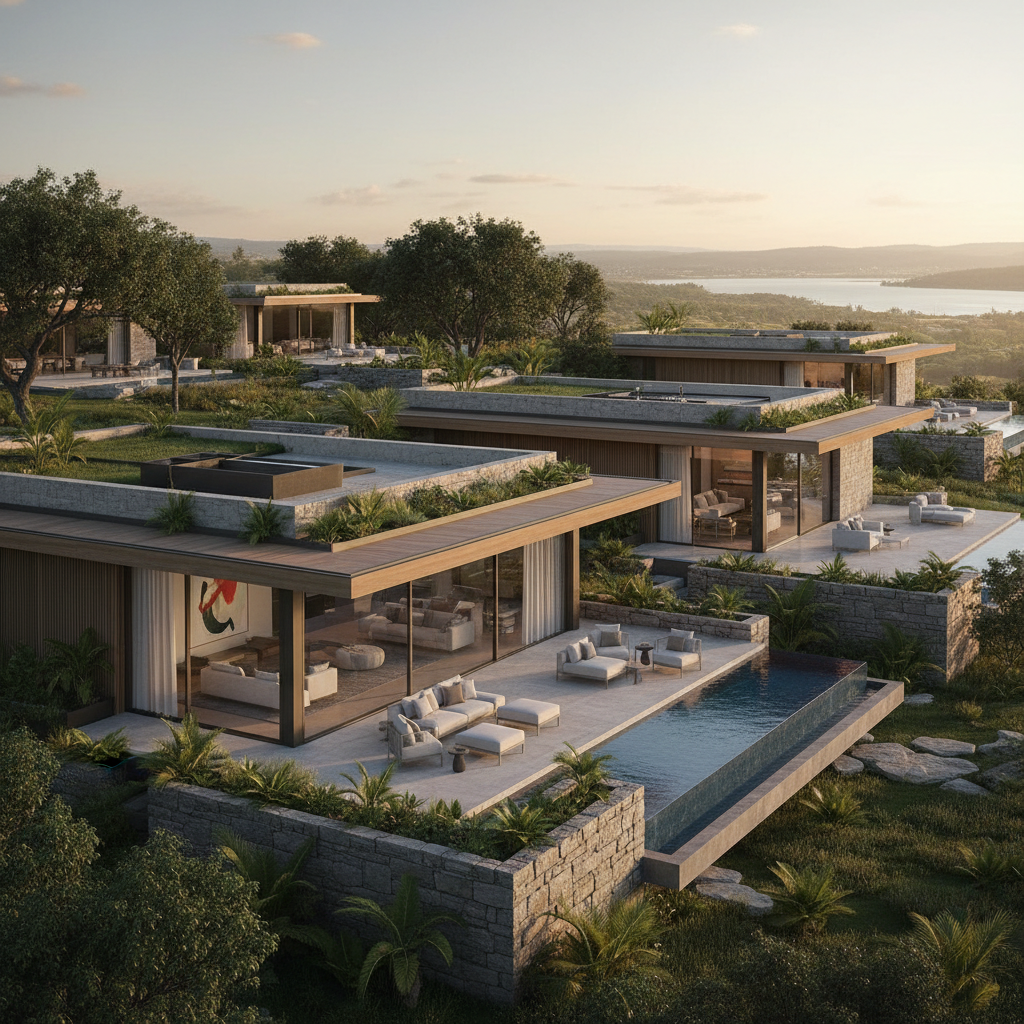
The introduction of AI-driven products and IoT (Internet of Things) devices is reshaping everyday experiences, making homes smarter and more efficient. Innovations such as sleep-enhancing gadgets and interactive pet toys are just a glimpse of the trends driving consumer interest in smart homes. The recent reports highlight a shift in consumer behavior, where technology is becoming indispensable for achieving a comfortable and aesthetically pleasing living environment. As these advancements continue to unfold, they redefine the concept of home, merging technology seamlessly with lifestyle.
Outdoor Integration: Designing Spaces that Connect with Nature and Surroundings
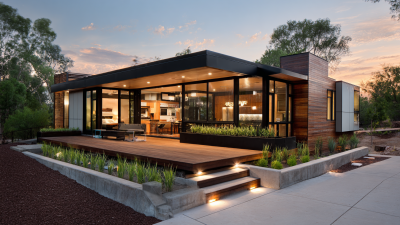
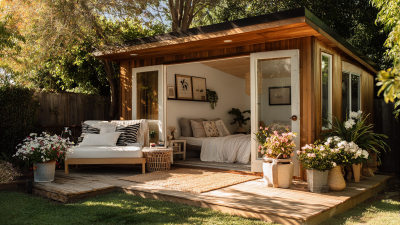
Outdoor integration is a vital aspect of modern house design, as it seamlessly connects indoor spaces with nature and the surrounding environment. A growing trend in architecture is biophilic design, which emphasizes the incorporation of natural elements within residential spaces. By bringing nature indoors—through elements such as large windows that frame views of trees, living walls, and natural materials—homes can enhance not only aesthetics but also the overall well-being of their occupants. This connection to nature has been shown to have beneficial impacts on the physical, physiological, and mental health of individuals, particularly older adults who may spend more time indoors.
In addition to visual harmony, creating outdoor spaces that encourage physical activity is essential in fostering a strong community connection. Activity-friendly designs such as walking paths, gardens, and outdoor recreational areas promote engagement with the surrounding environment while encouraging healthy lifestyles. Architects are increasingly focused on redefining the relationship between residential design and nature, continuously exploring innovative solutions that enhance comfort and functionality. This holistic approach to designing modern houses that integrate outdoor elements can lead to more sustainable living environments and improved quality of life for all residents.
How to Design Modern Houses That Enhance Comfort and Aesthetics
| Design Element |
Description |
Benefits |
Materials |
| Open Floor Plan |
A design that minimizes walls to create a spacious feel. |
Enhances flow of natural light and improves social interaction. |
Wood, Glass, Steel |
| Large Windows |
Expansive glass installations that connect indoor and outdoor spaces. |
Brings in natural light and offers stunning views of surroundings. |
Double-glazed glass |
| Green Roofs |
Roofs covered with vegetation, promoting sustainability. |
Improves insulation, reduces urban heat, and fosters biodiversity. |
Soil, Vegetation, Waterproof Membrane |
| Natural Materials |
Use of wood, stone, and other organic materials in construction. |
Creates a warm, inviting atmosphere and promotes connection with nature. |
Wood, Stone, Bamboo |
| Outdoor Living Spaces |
Designing patios, decks, or balconies that extend living areas outdoors. |
Enhances relaxation and enjoyment of nature without leaving home. |
Composite Decking, Natural Stone |