How to Build an Expandable House in 2026?
In 2026, the idea of an expandable house is gaining traction. Architects and builders are exploring innovative designs. The expandable house concept offers flexibility for modern living. As John Smith, a leading expert in sustainable architecture, states, "The expandable house adapts to your life." This adaptability can be crucial for families facing changes.
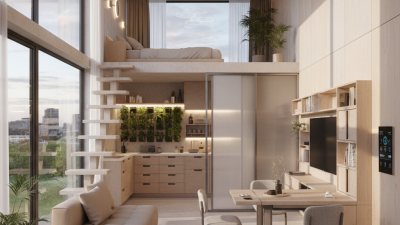
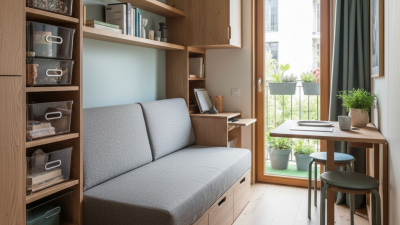
Imagine a small space that can grow as needed. This idea resonates with many urban dwellers facing housing constraints. However, implementing expandable homes is not without challenges. Design complexities and cost factors can create hurdles. It requires careful planning and foresight to ensure functionality and aesthetic appeal.
Many overlook the importance of community in this equation. An expandable house does not only focus on individual needs. It also needs to fit into the larger environment. Builders must engage with local regulations and neighborhood dynamics. Striking a balance is essential for success. The future of expandable houses holds promise but warrants a closer look at its feasibility.
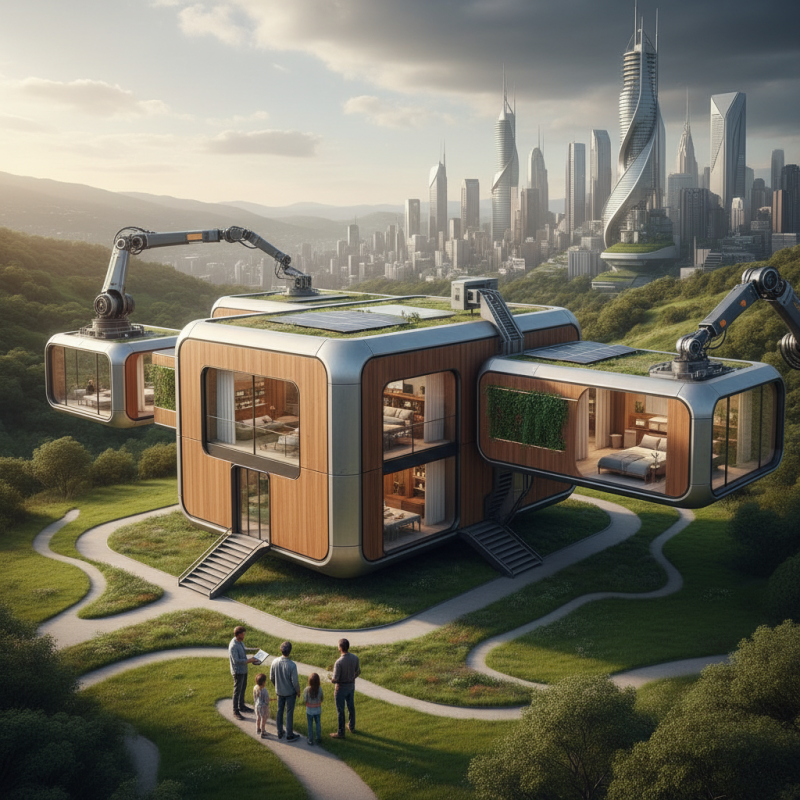
Understanding the Concept of Expandable Housing in 2026
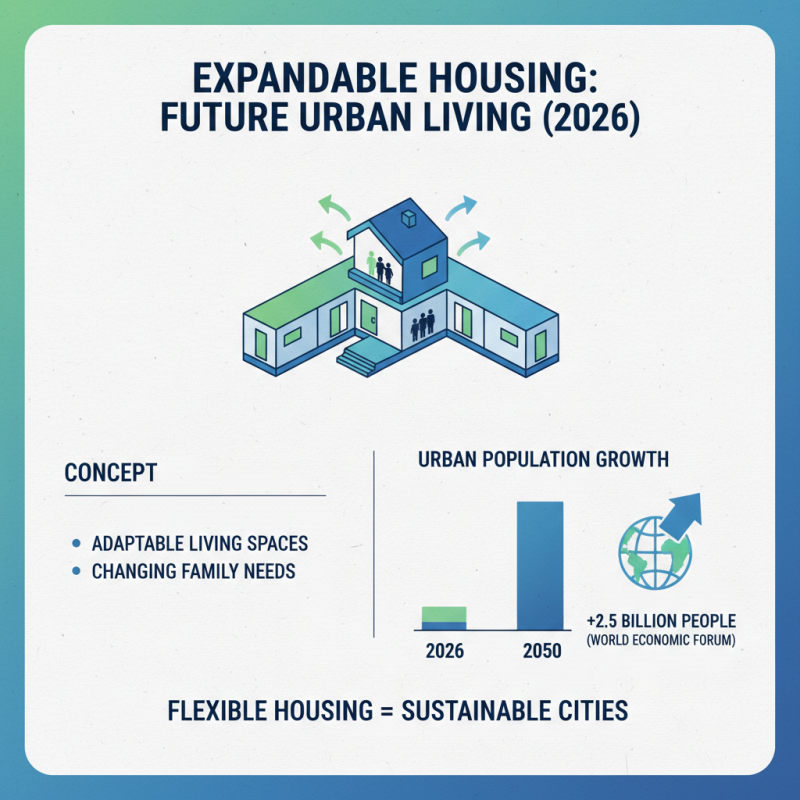
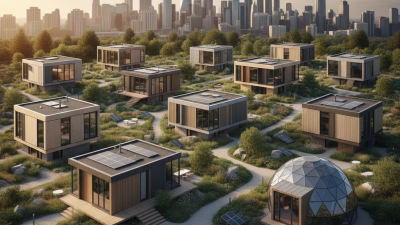
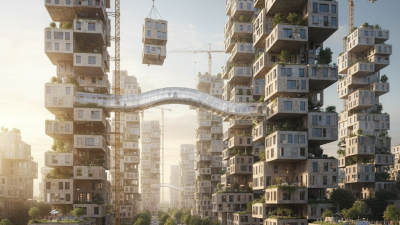
In 2026, expandable housing presents a revolutionary concept in urban living. This approach allows families to adapt their living spaces to ever-changing needs. According to a recent report by the World Economic Forum, urban populations are set to grow by 2.5 billion by 2050. This will increase the demand for flexible housing solutions.
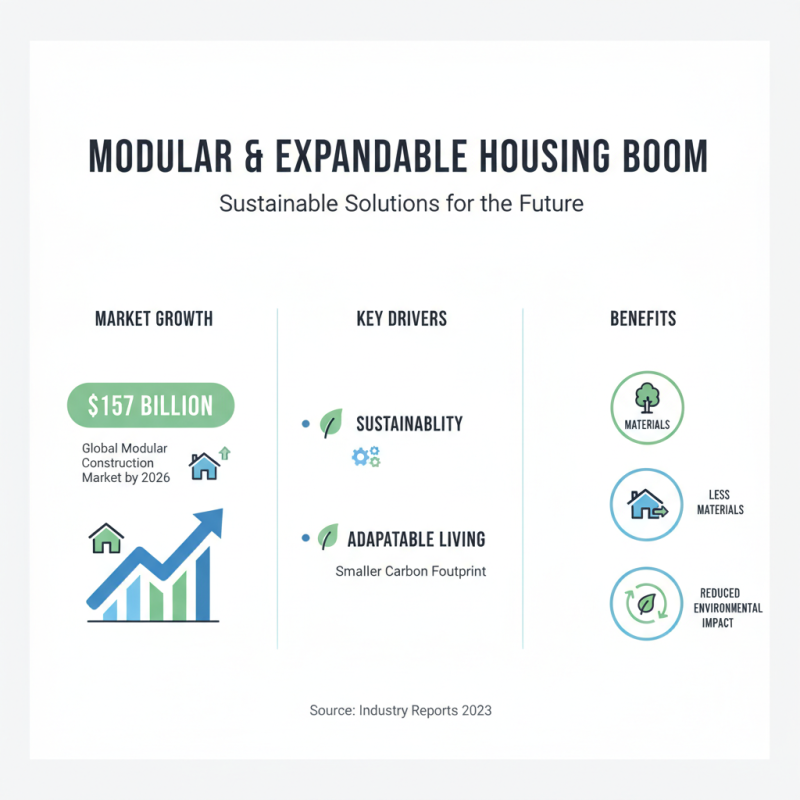
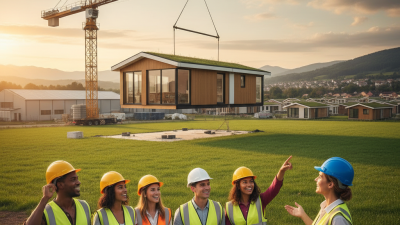
Expandable houses can be built using modular components. These components can be added or removed based on family size or financial circumstances. The International Energy Agency estimates that high-quality, modular homes reduce construction waste by up to 30%. This is a significant factor to consider for sustainable urban development.
However, there are challenges. The technology for seamless expansion may not be fully developed yet. Many designs require substantial financial investment upfront. Homeowners may face difficulties in reselling these homes. Market acceptance remains uncertain, and not all communities may embrace this innovative design. It’s critical to remain cautious and continuously assess the evolving needs of society.
Key Materials and Technologies for Building Expandable Houses
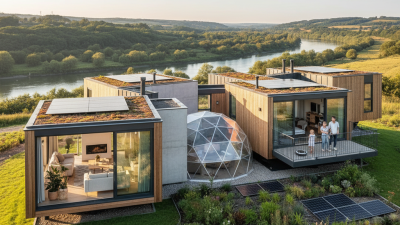
Building an expandable house in 2026 requires careful consideration of materials and technologies. Sustainability is key. Materials like bamboo and recycled steel offer strength and eco-friendliness. These materials reduce the building's carbon footprint significantly. Local sourcing helps minimize transportation emissions. Lightweight composites can also play a vital role in modular designs.
Flexible designs are gaining popularity. Prefabricated units allow for quick assembly. They can be easily modified as a family's needs change. Smart home technologies are essential too. These can monitor energy use, ensuring efficiency. However, integrating these technologies can be challenging, sometimes leading to issues with compatibility.
Considering aesthetics is equally important. Expandable houses should not just be functional. They need to blend with the environment. This can result in challenges during the design phase. Finding the right balance between expansion capabilities and visual appeal is crucial. Feedback from early users can provide insights, but it is rarely straightforward. The future of expandable homes lies in continuous improvement and innovation.
Materials and Technologies for Building Expandable Houses in 2026
Step-by-Step Design Process for an Expandable House
In designing an expandable house, careful planning is crucial. Start by assessing your space and future needs. The global housing market shows a demand for adaptable living solutions. According to a recent report, 70% of new homeowners desire homes that can grow with them.
Consider the design aspects. Use modular components for easy expansion. Research indicates that modular homes can be 20% cheaper to build. Integrate sustainable materials for energy efficiency. Building in phases can help you manage costs.
However, be mindful of local regulations. Zoning laws can affect expansion plans. Often, you might face challenges with permits. Engage with experts to navigate these complexities. It’s essential to reflect on future needs and possible limitations. A flexible design can maximize utility and comfort over time.
How to Build an Expandable House in 2026? - Step-by-Step Design Process for an Expandable House
| Step |
Description |
Duration |
Cost Estimate ($) |
| 1 |
Conduct site analysis and select location |
2 weeks |
500 |
| 2 |
Develop initial design concepts and layouts |
3 weeks |
1500 |
| 3 |
Finalize design and obtain necessary permits |
4 weeks |
2000 |
| 4 |
Prepare site and lay foundation |
6 weeks |
5000 |
| 5 |
Construct initial structure and expandability features |
8 weeks |
15000 |
| 6 |
Install utilities and interior finishes |
5 weeks |
8000 |
| 7 |
Conduct final inspections and handover |
2 weeks |
1000 |
Future Trends in Expandable Housing Design and Construction
In 2026, the concept of expandable housing is expected to gain significant traction. The demand for adaptable living spaces is growing, fueled by urbanization and changing family dynamics. According to a recent World Economic Forum report, 70% of the global population will reside in urban areas by 2050. This shift necessitates innovative housing solutions that can evolve over time.
One exciting trend includes modular construction techniques. These methods allow for easy assembly and disassembly. Reports show that modular homes can reduce construction time by up to 50%. However, this approach is not without its challenges. There can be issues with quality control and structural integrity. Addressing these concerns is essential as the industry moves forward.
Sustainable materials are also becoming a focal point in expandable housing design. Eco-friendly options like bamboo and recycled steel are gaining popularity. The market research indicates that the green building sector is expected to grow by 15% annually. Yet, sourcing these materials can sometimes lead to higher costs and accessibility issues in certain regions. The trade-offs must be carefully considered.