
10 Best Tiny Homes That Redefine Compact Living?
In a world that often equates size with status, tiny homes challenge this notion. These compact spaces redefine living standards, allowing people to embrace minimalism. Tiny homes are designed to maximize every inch, featuring clever layouts and efficient storage solutions. They often include innovative amenities, showcasing creativity in small spaces.
Living in tiny homes presents challenges too. Limited space can be a strain on relationships and personal belongings. Yet, many find joy in the simplicity it brings. These homes encourage a lifestyle focused on experiences rather than possessions. A sense of community often develops as neighbors share similar aspirations and life choices.
Tiny homes are not just buildings; they represent a movement toward sustainability and intentional living. By reducing their footprint, individuals tackle issues like climate change. However, the transition isn't always smooth. One must navigate zoning laws and find suitable locations. These obstacles lead to reflections on what truly matters in life. Tiny homes offer a glimpse into a different way of living, inviting people to reconsider their priorities.
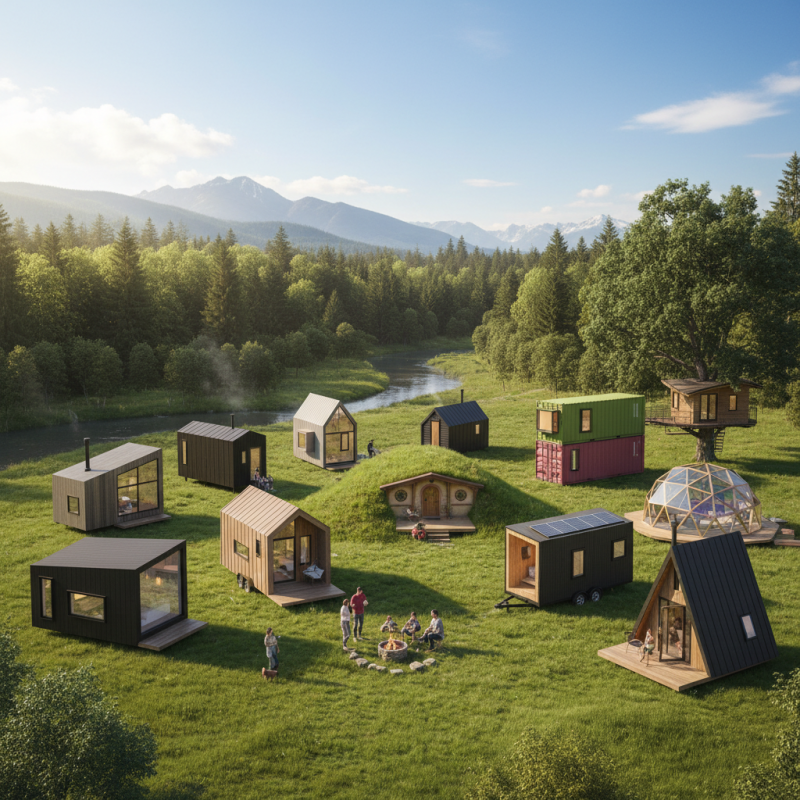
Exploring the Concept of Tiny Homes in Modern Living
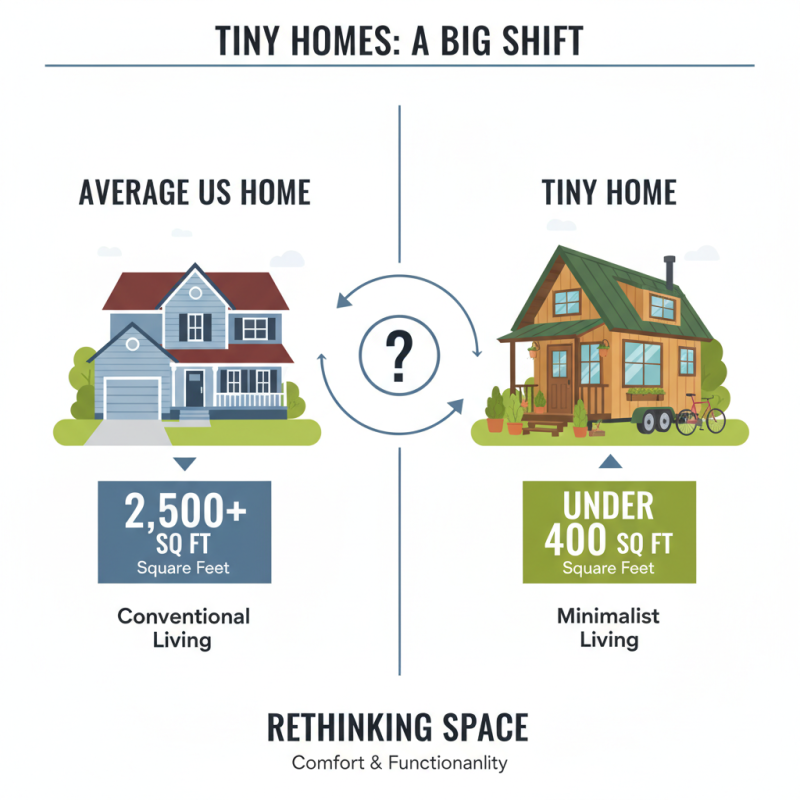
The concept of tiny homes has become increasingly popular in modern living. Data from the National Association of Home Builders indicates that about 10% of home buyers are interested in houses under 1,000 square feet. This shift reflects a desire for simplicity and sustainability. Many find joy in smaller living spaces, but it also brings challenges. Limited square footage can limit privacy and personal space.
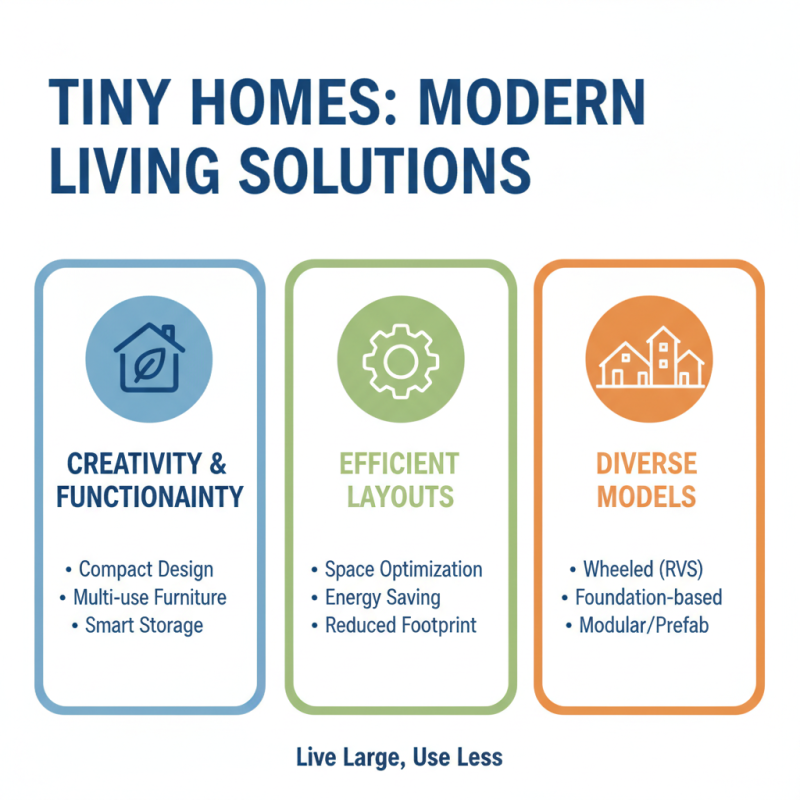
Tiny homes often utilize smart design to maximize functionality. For example, multi-purpose furniture and innovative storage solutions help create usable living areas. Yet, while some appreciate the efficiency, others struggle with the lack of traditional features. Number of tiny home residents report feeling cramped over time, prompting some to reconsider their choices. Even with the appeal of affordability, it’s essential to acknowledge these downsides.
Sustainability is a driving factor in tiny home popularity. The Environmental Protection Agency states that smaller homes consume less energy. This is appealing as climate change persists. However, aspirational living in tiny homes sometimes conflicts with the reality of minimalism. Owning fewer possessions does not come naturally to many. The balance between eco-conscious choices and personal comfort is a vital conversation in this evolving housing trend.
10 Best Tiny Homes That Redefine Compact Living
| Home Model | Size (sq. ft.) | Key Features | Price Range |
|---|---|---|---|
| The Compact Cabin | 300 | Solar panels, eco-friendly materials | $50,000 - $70,000 |
| The Urban Nest | 400 | Smart home technology, rooftop garden | $80,000 - $100,000 |
| The Eco Retreat | 450 | Rainwater harvesting, composting toilet | $75,000 - $95,000 |
| The Artist Studio | 350 | Large windows, open floor plan | $60,000 - $85,000 |
| The Mobile Home | 250 | Trailer-ready, lightweight materials | $30,000 - $50,000 |
| The Family Cabin | 500 | Two bedrooms, outdoor deck | $100,000 - $130,000 |
| The Minimalist Home | 300 | Integrated storage, multifunctional furniture | $40,000 - $60,000 |
| The Eco Dome | 600 | Geodesic design, natural insulation | $90,000 - $120,000 |
| The Treehouse | 200 | Elevated structure, natural surroundings | $25,000 - $45,000 |
Related Posts
-

10 Best Prefab Homes That Redefine Modern Living?
-
2026 Best Expandable Homes for Modern Living and Sustainable Choices?
-
Transform Your Space: Innovative Ideas for Homes Living That Elevate Everyday Comfort
-
10 Best Prefab Modern Homes for Sustainable Living
-
How to Design Modern Houses That Enhance Comfort and Aesthetics
-
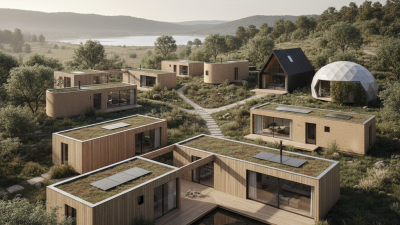
Top 10 Simple Homes to Inspire Your Dream Living Space in 2025
